Guías
Safety Tips for Traveling in Colombia
Practical safety advice for visiting Colombia — transport, money, your phone, nightlife, common scams, and what to do if something goes wrong.
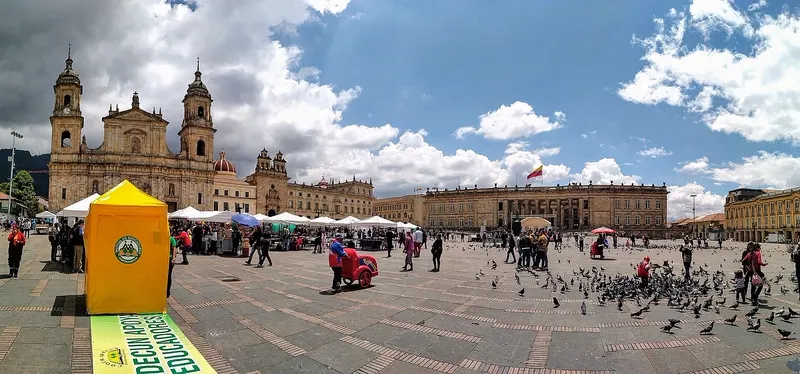
Millions of travelers visit Colombia every year — in 2025 alone, more than 4.6 million non-resident foreign visitors arrived, according to Colombia's Ministry of Trade, Industry and Tourism. The overwhelming majority have a trip with no problems at all. As in any major destination, it helps to know a few basic rules, which Colombians sum up in one phrase: "no dar papaya" — literally "don't give away papaya," meaning don't make things easy for anyone looking to take advantage of you.
This guide gathers sensible precautions, without the alarmism, and points you to the official sources worth checking before you leave. The information here was reviewed in September 2026.
What the official sources say
Safety in Colombia varies a lot by area and by time of day. The more serious warnings from foreign governments cluster in rural and border areas, far from the usual tourist routes.
For example, the UK's travel advisory, updated September 23, 2026, advised against all but essential travel to Norte de Santander and Arauca, on the border with Venezuela; to much of Chocó (with exceptions like Quibdó, Nuquí, Bahía Solano, and Capurganá); to western Valle del Cauca, including Buenaventura, and the municipality of Jamundí; to Cauca outside Popayán; and to parts of Nariño, Putumayo, Córdoba, Antioquia, Bolívar, Guaviare, Caquetá, and Meta. The four cities in our guides, the Coffee Region, and Villa de Leyva were not on that list.
The same advisory flagged Santa Marta, which remained under heightened security measures after an operation against armed groups, along with risks on the Troncal del Caribe, the highway to Tayrona and Palomino. If you're headed that way, plan ahead and follow local authorities' guidance.
Our advice: check your own country's travel advisory (foreign ministry or state department) before you book, and again a few days before you fly out.
Cali: the same common sense, no more, no less
Cali deserves the same even-handed treatment as Bogotá, Medellín, and Cartagena here — it's a large Colombian city, not a special case. The downtown core, San Antonio, and the riverside Bulevar are used daily by locals and visitors alike, and the same habits below apply everywhere. The one thing worth a note, covered in full further down, is the August 2026 earthquake: Cali's airport and most attractions are operating normally, and the practical advice is simply to confirm specific sites before you go, not to avoid the city.
Your phone and belongings
- Don't use your phone on the street more than you need to, especially on corners, at bus stops, or in crowded spots.
- At restaurants and cafés, don't leave your phone on the table next to the street, or your bag hanging off the back of your chair.
- Carry a photocopy of your passport and leave the original at your hotel unless you specifically need it.
- Use bags or backpacks that close, and wear them in front in crowded places.
- Ask at your accommodation which streets to avoid at night — nobody knows the block better.
Money and ATMs
- Use ATMs inside shopping malls, banks, or supermarkets, and during the day. The UK advisory recommends this too, partly to reduce the risk of the so-called "millionaire's ride," where a victim is forced to withdraw cash from several ATMs in a row.
- Split your money across a few places and carry only what you need for the day in your wallet.
- Pay by card where you can, and always check the amount on screen before entering your PIN.
Getting around
- Book taxis through an app or by phone, especially at night, or ask your hotel to call one for you. Avoid hailing a taxi on the street in the early morning hours.
- At the airport, use the official taxi line or authorized transport.
- In Cartagena, taxis don't use meters: agree on the fare before you get in.
- On mass transit systems (Medellín's Metro, Bogotá's TransMilenio, Cali's MÍO), keep an eye on your belongings during rush hour.
- On long-distance buses, keep valuables with you rather than in the luggage hold.
- Protests and road blockades can appear with little warning. Steer clear of demonstrations and check road conditions before traveling overland.
Nightlife, dating, and drinks
- Never accept drinks, food, cigarettes, or candy from strangers, and never leave your drink unattended. According to the UK Foreign Office, scopolamine has been used in drinks, food, cigarettes, sprays, and even paper flyers to incapacitate victims and rob them.
- Go out in a group, agree in advance how you'll get back, and share your location with someone you trust.
- If you meet someone through a dating app, meet in a public, busy place first, and don't invite them back to where you're staying on the first date. Some criminal groups specifically use these apps to target foreigners.
- At big festivals like the Feria de Cali or Barranquilla Carnival, carry little cash and agree on a meeting point in case your group gets split up.
Common scams
- Tours and boats sold on the street: in Cartagena, book island tours through an established agency or your hotel, and confirm exactly what's included.
- Street currency exchange: change money only at a licensed exchange house or a bank.
- Fake "police" asking to check your money: real police officers won't ask to inspect your cash; if it happens, ask to go to a police station.
- Fake tickets: for festivals, concerts, and carnivals, buy only through the organizer's official channels.
- Fake paperwork services: Colombia's Check-MIG pre-registration is done on Migración Colombia's official site — be wary of lookalike sites charging a fee to "process" it for you.
- Inflated bills: on beaches and in tourist areas, ask the price before you order, especially for fish sold by weight.
Health: water, sun, altitude, and mosquitoes
- Water: Bogotá's city government and EPM, in the Aburrá Valley (Medellín), report tap water safe to drink. In small towns, rural areas, or after an emergency, stick to bottled water.
- Sun: IDEAM warns that UV radiation reaches very high levels, especially in the mountains. Wear sunscreen even on cloudy days.
- Altitude: in Bogotá, take your first day easy — no strenuous hikes or heavy drinking until you've adjusted.
- Mosquitoes: according to the Ministry of Health, the mosquito that spreads dengue lives mainly below 2,200 meters. Use repellent and cover your arms and legs at dawn and dusk.
- National parks: some require a yellow fever vaccination — check requirements before you go.
For any medical concerns, talk to your doctor before the trip, and travel with insurance that covers healthcare.
Earthquakes and natural emergencies
On August 10, 2026, a magnitude-7.4 earthquake centered in San José del Palmar, Chocó, struck Cali, Pereira, Manizales, Armenia, and Quibdó hardest. Colombia's Geological Survey called it the strongest earthquake recorded in the country in the past decade. Cali's airport was back to normal operations the very next day, and Coffee Region airports reopened gradually; most attractions are running again, some in sections. Before heading to Cali, confirm the status of roads and specific sites with your accommodation — this is routine due diligence, not a reason to skip the city.
Colombia is a seismically active country, so it's worth knowing what to do:
- During a quake: Colombia's national disaster-risk agency recommends drop, cover, and hold on — get to the ground, under a sturdy table if there is one, protecting your head and neck, until the shaking stops.
- Afterward: use the stairs, not the elevator; stay away from damaged buildings and facades; and watch for aftershocks.
- When you check into a hotel: locate the emergency exits and meeting point.
- Follow official sources: the national disaster-risk agency, the Geological Survey, and each city's government.
During the rainy season, roads can close due to landslides, and June through November is hurricane season in the Caribbean, with San Andrés and Providencia the most exposed area.
Responsible travel
Colombia actively prosecutes the sexual exploitation of children. Law 1336 of 2009 requires hotels and tour operators to adopt and display codes of conduct to prevent it. If you see something suspicious, report it to line 141 (ICBF) or 123. And don't buy drugs — beyond fueling violence, it exposes you to robbery and legal trouble.
If something goes wrong
- 123: the single emergency line for police, fire, and ambulance.
- 155: 24-hour support line for women who are victims of violence.
- 141: ICBF's line for protecting children and teenagers.
- Tourist Police: assist visitors and handle complaints in the most-visited areas.
- Report online: theft, including phone theft, can be reported through ADenunciar, the National Police's online system (adenunciar.policia.gov.co).
- Documents: if you lose your passport, file a report and contact your embassy or consulate.
Frequently asked questions
Is it safe to travel to Colombia?
Yes, for the vast majority of visitors. The tourist areas of Bogotá, Medellín, Cali, and Cartagena receive millions of people every year. Follow the same precautions you would in any big city, and check your own country's travel advisory, which flags the rural and border areas to avoid.
What does "no dar papaya" mean?
It's a Colombian expression that means not exposing yourself or making things easy for someone else: not flashing your phone, not leaving valuables in sight, not walking alone through empty areas at night.
What's the emergency number in Colombia?
123, for police, fire, and ambulance. It's free and works 24 hours a day.
What do I do if my phone gets stolen?
Block the line and the device with your carrier, change your important passwords, and file a report through ADenunciar, the National Police's online system, or at a police station.
What do I do if there's an earthquake while I'm in Colombia?
Drop to the ground, get cover under a sturdy table, and hold on until the shaking stops. Afterward, leave by the stairs, stay away from building facades, and follow instructions from local authorities.
Keep reading
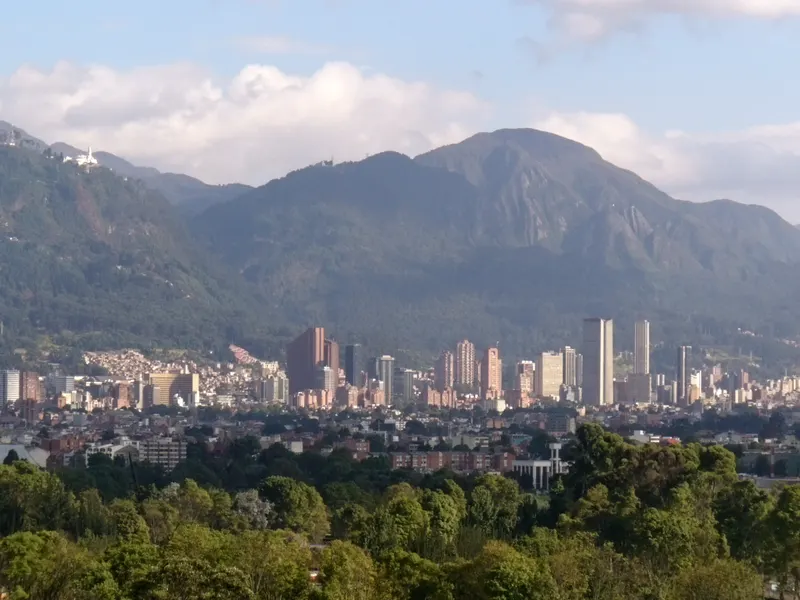 BogotáBogotá: a guide to Colombia's capitalWhat to do in Bogotá: La Candelaria, the Gold Museum, Monserrate, the Botero Museum, Usaquén, Ciclovía and the Salt Cathedral. Weather, food, tips.
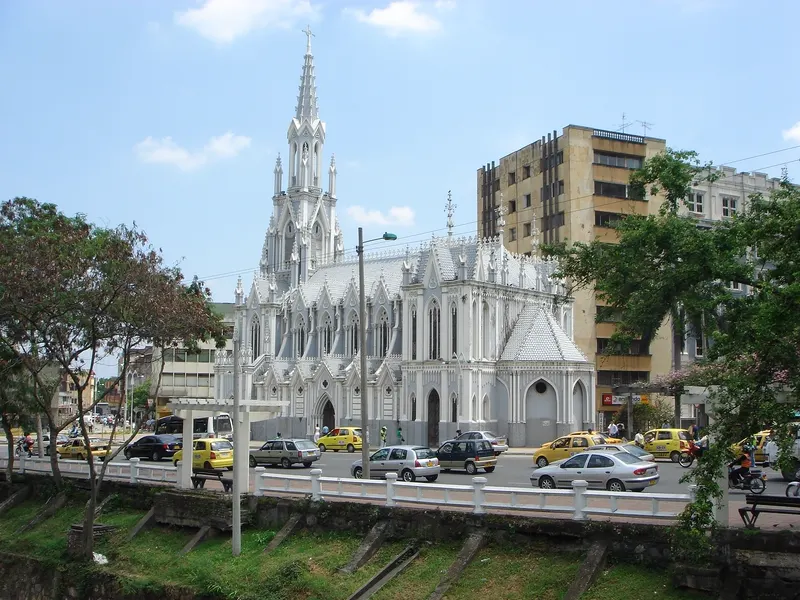 CaliCali: A Complete Guide to the World Capital of SalsaWhat to see and do in Cali: San Antonio, Cristo Rey, La Ermita, the riverside boulevard, the zoo, salsa, local food, weather and travel tips.
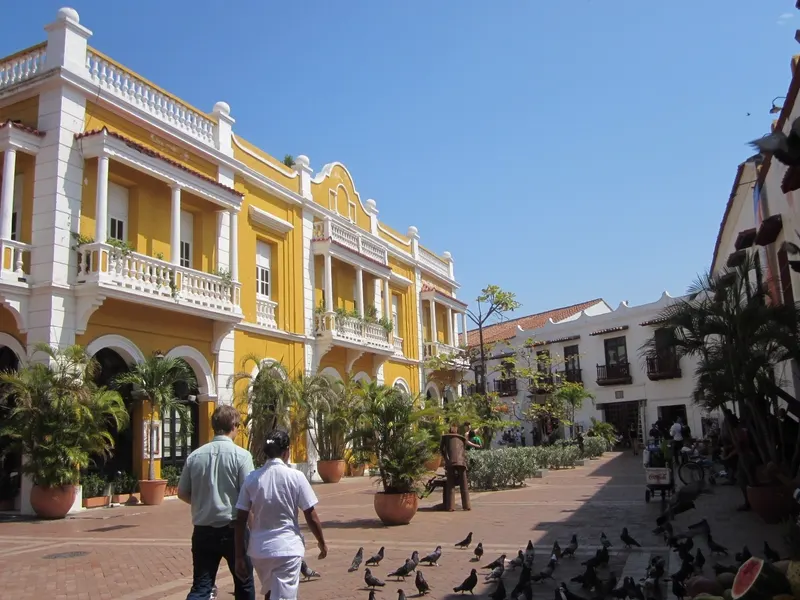 CartagenaCartagena: a guide to the walled city and its islandsWhat to do in Cartagena: the walled city, Getsemaní, Castillo San Felipe, La Popa, the Rosario Islands, Playa Blanca, food, weather and trip tips.