Bogotá
Bogotá: a guide to Colombia's capital
What to do in Bogotá: La Candelaria, the Gold Museum, Monserrate, the Botero Museum, Usaquén, Ciclovía and the Salt Cathedral. Weather, food, tips.
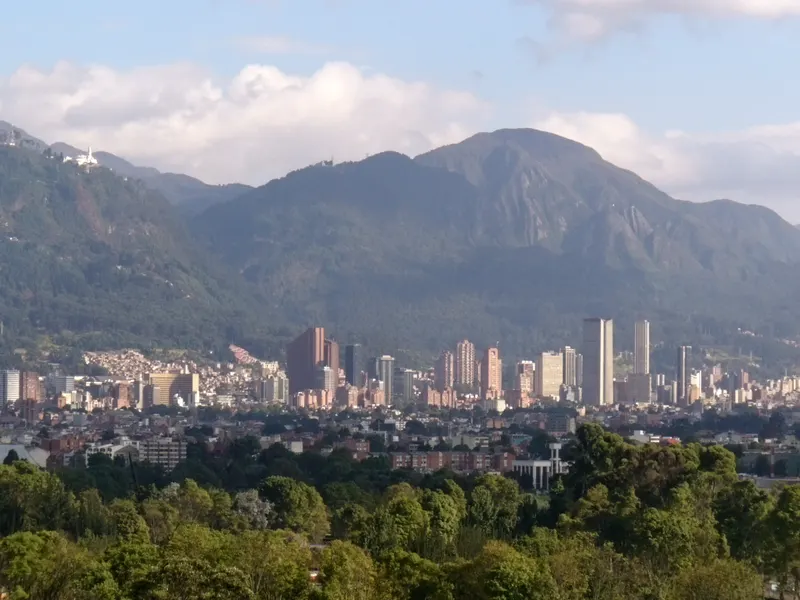
Bogotá is a huge Andean city full of contrasts. Sitting at roughly 2,640 meters (8,660 ft) above sea level on a plateau ringed by the eastern hills, it has the country's biggest cultural offering by far: world-class museums, a colonial old town, street art, theaters, markets and a food scene that keeps expanding.
Many travelers treat it as a layover on the way to the coast, but it's worth at least three days on its own. This guide covers what to see, how to plan your time, and what the altitude and weather mean for your trip.
The altitude, first
At 2,640 meters, the air carries noticeably less oxygen than at sea level. It's completely normal to feel out of breath on a flight of stairs or get a headache on your first day. Drink plenty of water, eat light, skip alcohol the first night, and save demanding activities — like walking up to Monserrate — for your second day once you've adjusted.
Top things to do in Bogotá
La Candelaria
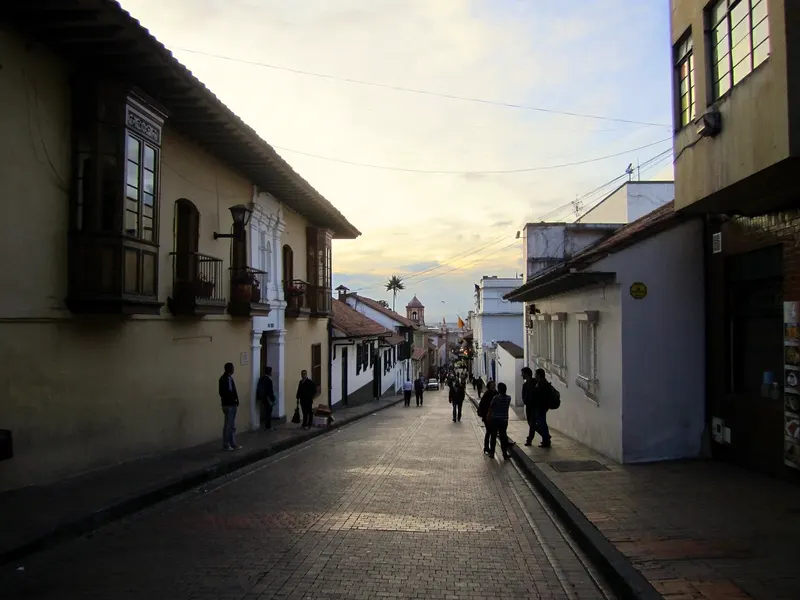
La Candelaria is the historic center: colorful colonial houses, cobblestone streets, churches, universities, museums and graffiti. The city was founded here in 1538. Walk it during the day — ideally with a walking tour that covers its history and street art — and head back by taxi at night, since the neighborhood empties out once the sun goes down.
Plaza de Bolívar
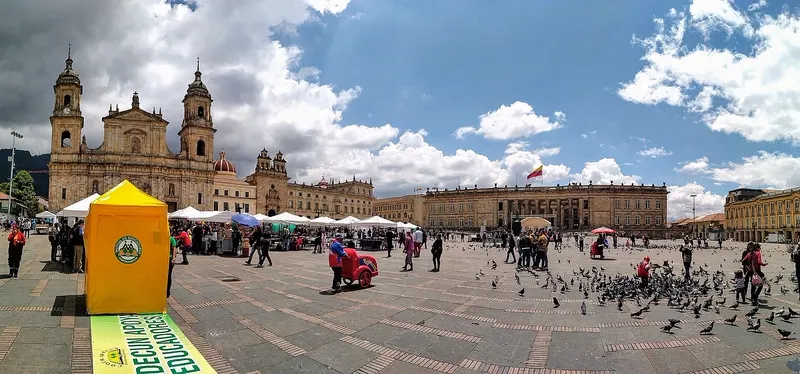
This is the country's political heart. Around it stand the Catedral Primada, the Capitolio Nacional (home to Congress), the Palacio de Justicia and the Palacio Liévano, seat of the mayor's office. There's always something happening in the plaza — protests, pigeons, street vendors and photographers.
Museo del Oro (Gold Museum)
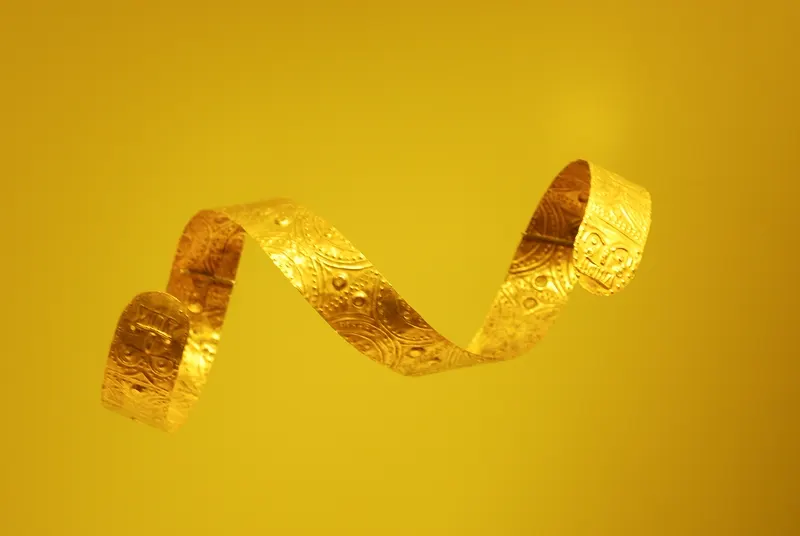
This is Colombia's most-visited museum and one of the most important pre-Hispanic goldwork collections anywhere. Its exhibits explain how Indigenous peoples worked the metal and what the pieces meant to them; the Offering Room is unforgettable.
Typical hours run Tuesday to Saturday from 9:00 a.m. to 7:00 p.m. and Sunday from 10:00 a.m. to 5:00 p.m.; it's closed on Mondays, including public holidays. Admission is free on Sundays, and free every day for visitors under 12 and over 62. Confirm the current schedule on the Banco de la República website before you go.
Museo Botero
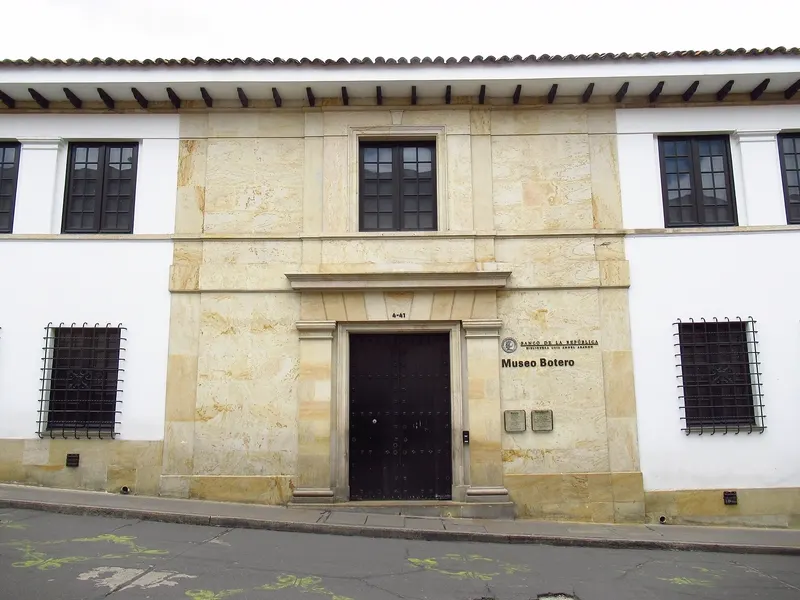
Housed in a colonial mansion in La Candelaria, the Museo Botero brings together works by the Colombian master alongside his personal collection of international art, including pieces by Picasso, Monet and Dalí. It's part of the Banco de la República's museum network and admission has traditionally been free. It sits just a few blocks from the Gold Museum, so the two pair naturally into one day.
Monserrate
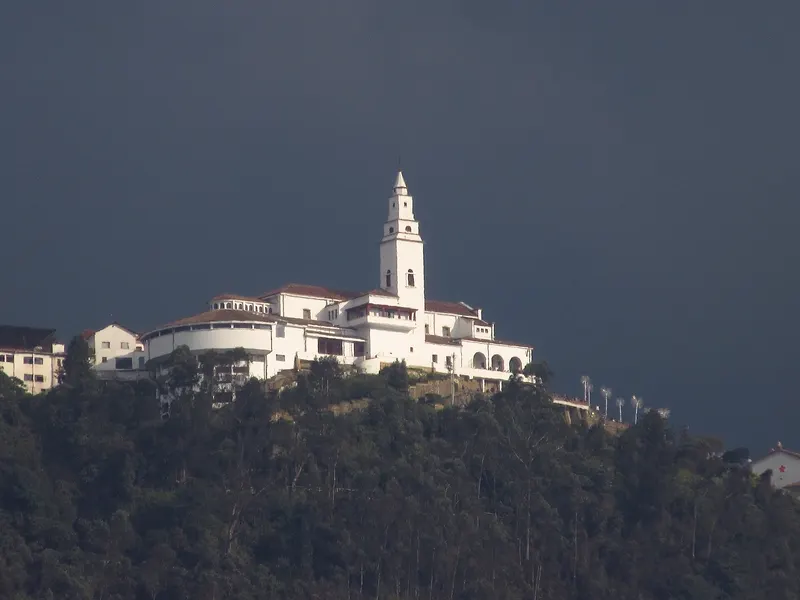
Monserrate hill, at 3,152 meters (10,340 ft), towers over the city. At the top there's a sanctuary, a handful of restaurants and a viewpoint that takes in Bogotá from end to end. You can go up by cable car, funicular or on foot along a stone path — if you're walking, go early and make sure you're up for the climb. Sunset from the top is worth the trip, but it turns cold quickly, so bring a layer.
Chorro de Quevedo
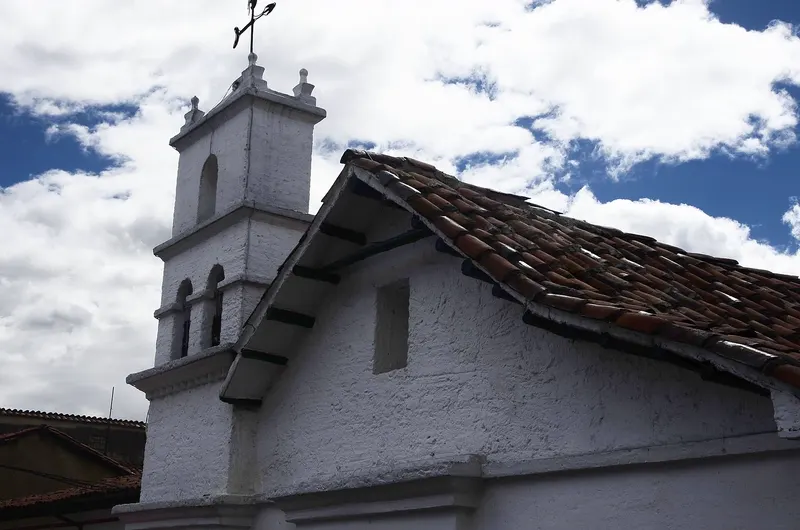
This small plaza, with its white chapel, is considered one of the possible founding sites of Bogotá. Today it's a gathering spot with cafés, street storytellers and a student-heavy crowd, right on the edge of La Candelaria. Nearby is the Callejón del Embudo, known for its graffiti and its chicha bars.
Usaquén and its Sunday market
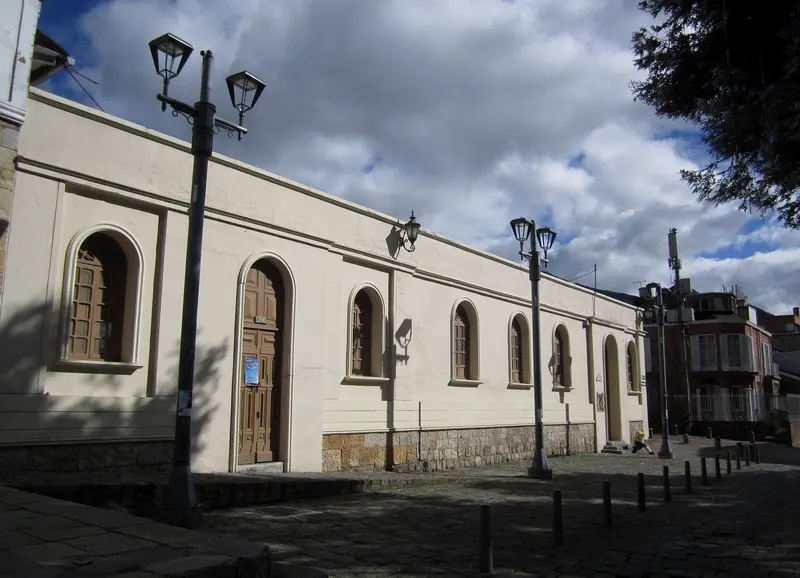
Usaquén was once an independent town and still has its own plaza, church and old houses. On Sundays it fills up with a large flea and crafts market. It's a good weekend plan, with plenty of restaurants and cafés nearby.
The Sunday Ciclovía
Every Sunday and public holiday, from 7:00 a.m. to 2:00 p.m., Bogotá closes more than 120 kilometers (75 miles) of major roads to cars so people can walk, jog, skate or cycle. It's one of the most distinctly bogotano things you can experience — rent a bike and join in.
Paloquemao market
To see the range of Colombian produce in one place, get to Paloquemao early: aisles of flowers, exotic fruit like lulo, granadilla and uchuva, and food stalls serving tamal or hot broth for breakfast.
Day trip: the Zipaquirá Salt Cathedral
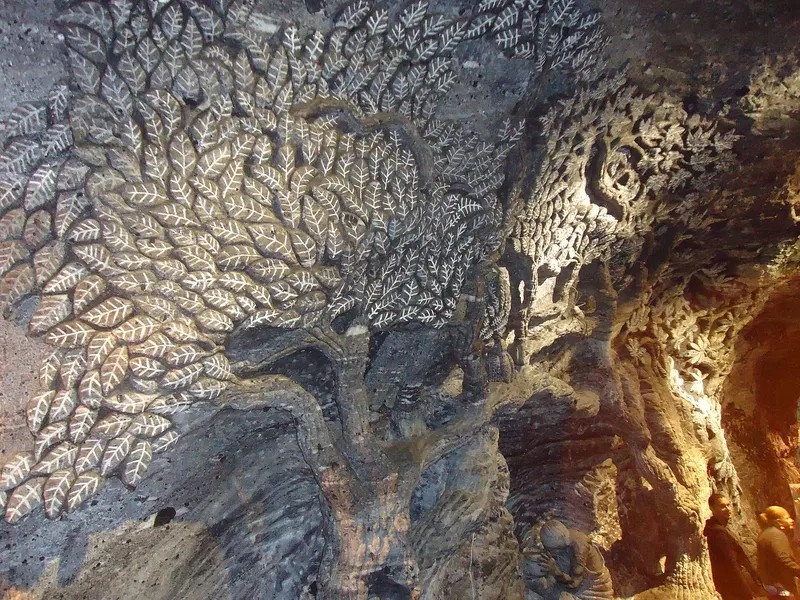
About 40 kilometers (25 miles) north of the city is Zipaquirá, home to a cathedral built inside a salt mine roughly 180 meters (590 ft) underground. On weekends and holidays you can get there on the Tren Turístico de la Sabana, a scenic tourist train that departs from Bogotá's Gran Estación station — a classic way to make the trip.
Eating, sleeping and getting around
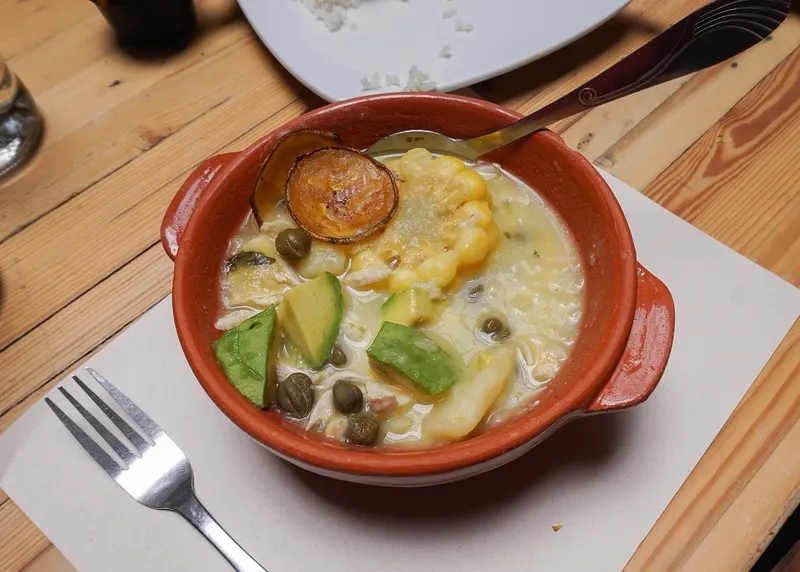
What to eat
- Ajiaco santafereño: a thick soup made with three types of potato, chicken, corn and the herb guascas, served with capers, cream and avocado.
- Changua: a milk broth with egg and bread — a very bogotano breakfast.
- Chocolate santafereño: hot chocolate with a piece of cheese that melts inside it, served alongside almojábanas.
- Tamal: wrapped in a plantain leaf, typically eaten for weekend breakfasts.
- Fritanga: a shared platter of grilled meats, blood sausage, papa criolla and arepa.
Where to stay
- La Candelaria: closest to the museums, but quieter — and emptier — at night.
- Chapinero and Zona G: well connected, with restaurants and a bohemian feel.
- Zona T, Parque 93 and Usaquén: more upscale areas, with malls and restaurants nearby.
Suggested 3-day itinerary
- Day 1: a walking tour of La Candelaria, Plaza de Bolívar, the Museo Botero and Chorro de Quevedo. Afternoon at the Gold Museum (skip if it's a Monday).
- Day 2: Monserrate in the morning, ajiaco for lunch, then an afternoon in Chapinero or Zona G.
- Day 3: the day trip to Zipaquirá and the Salt Cathedral. If it falls on a Sunday, start with the Ciclovía and the Usaquén market.
For more on stitching Bogotá into a longer Colombia trip, see our 10-day Colombia itinerary.
Since El Dorado is Colombia's main international gateway, it's also worth building in a stop most visitors skip: a short, inexpensive domestic flight south to Cali, Colombia's salsa capital, which pairs naturally with a Bogotá-plus-coast trip if your schedule has room for it.
Frequently asked questions
What day is the Gold Museum closed?
It's closed on Mondays, including public holidays. Admission is free for everyone on Sundays.
How do I get up to Monserrate?
By cable car, funicular, or on foot along the trail. If you're walking, go early, wait until your second day to let your body adjust to the altitude, and be sure you're in reasonable shape for the climb.
Is Bogotá cold?
It's cool year-round: daytime temperatures usually run between 14 and 20°C (57–68°F), dropping below 10°C (50°F) at night. Pack a jacket and layers.
What is Bogotá's Ciclovía?
Every Sunday and public holiday, from 7:00 a.m. to 2:00 p.m., more than 120 km (75 miles) of roads close to traffic so people can walk, jog or cycle for free.
How far is Zipaquirá from Bogotá?
About 40 kilometers (25 miles) north of the city. On weekends and holidays, the Tren Turístico de la Sabana runs from Bogotá's Gran Estación station.
Keep reading
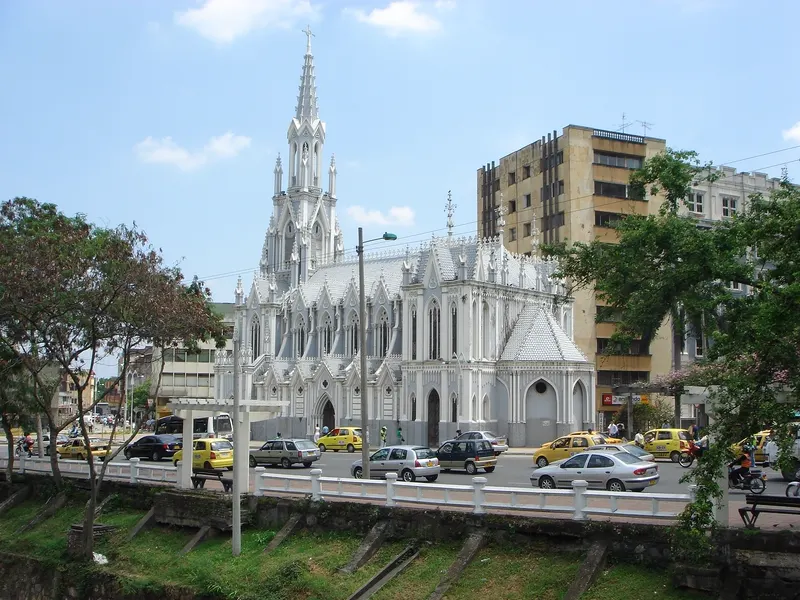 CaliCali: A Complete Guide to the World Capital of SalsaWhat to see and do in Cali: San Antonio, Cristo Rey, La Ermita, the riverside boulevard, the zoo, salsa, local food, weather and travel tips.
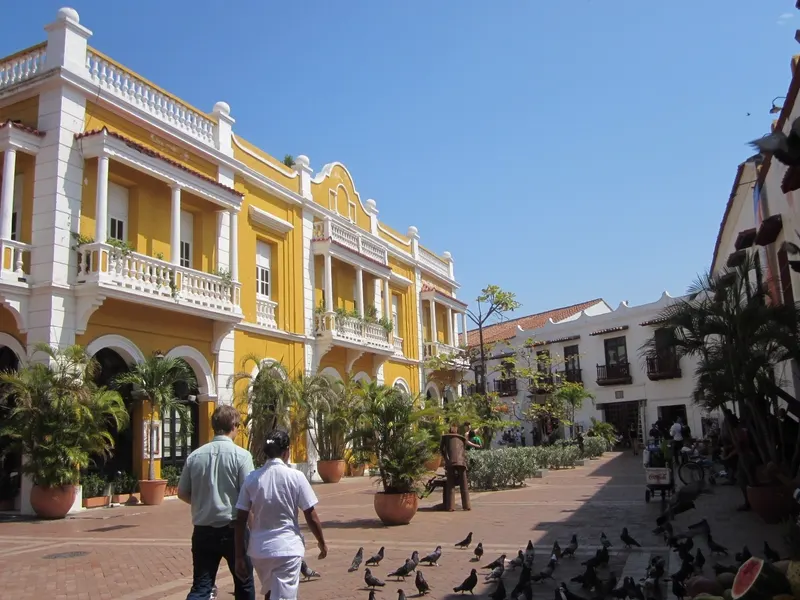 CartagenaCartagena: a guide to the walled city and its islandsWhat to do in Cartagena: the walled city, Getsemaní, Castillo San Felipe, La Popa, the Rosario Islands, Playa Blanca, food, weather and trip tips.
 GuíasColombian Food: What to Eat in Every CityColombia's regional food guide — bandeja paisa, ajiaco, arepas, cholado, coconut rice with fish, exotic fruit, and coffee, region by region.