Medellín
Medellín: what to do, where to eat and how to get around
Medellín travel guide: Comuna 13, Plaza Botero, the Metrocable, Parque Arví, and Guatapé, plus where to eat bandeja paisa, weather and trip tips.
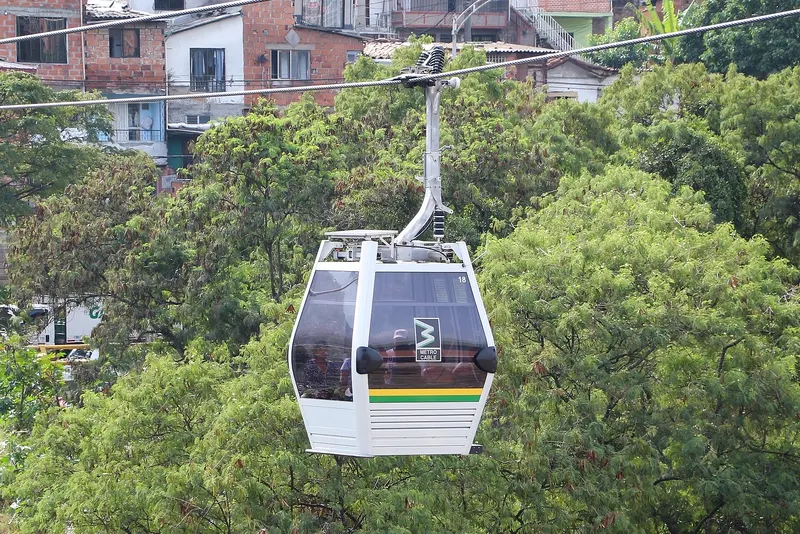
Medellín has reinvented its image more than any other city in Latin America. It sits in the Aburrá Valley at roughly 1,495 meters (4,900 ft) above sea level, ringed by green mountains, which keeps the climate mild almost year-round — usually between 17 and 28°C (63–82°F). That's what earned it the nickname the city of eternal spring. A clean, well-run metro, cable cars that climb straight into hillside barrios, striking street art, free museums and no shortage of hearty Antioquian cooking all coexist here.
This guide covers what's actually worth your time: the essential sights, how to reach each one, what to eat, where to stay, and the practical details that save you time.
Why visit Medellín
Medellín has become a global reference point for how public infrastructure can remake a city. The Metrocable, which opened in 2004, was one of the first cable-car systems anywhere built as mass transit rather than a tourist ride — it connected hillside neighborhoods that used to be hours from downtown by any other route. Today it's also the simplest way to understand the shape of the valley and see the city from above for the price of a metro fare.
Add to that the warmth of the paisas (as people from Antioquia are known), an active cultural scene, free public parks and gardens, and quick access to nearby towns like Guatapé, Santa Fe de Antioquia and Jardín, and it's easy to see why the city keeps pulling travelers back for a second or third visit.
Top things to do in Medellín
Comuna 13 and its outdoor escalators
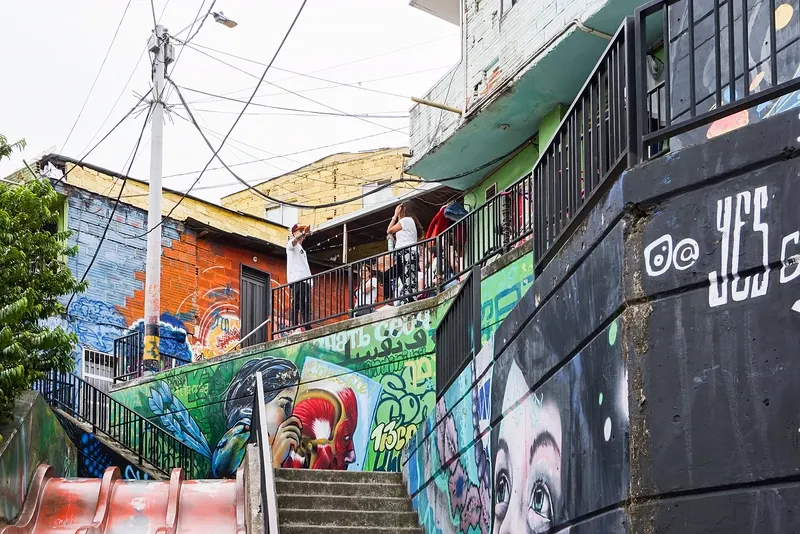
Comuna 13 went from being one of the neighborhoods hit hardest by the city's violent past to the most visited barrio in Medellín. Its open-air escalators, installed in 2011, climb the hillside past murals that trace the neighborhood's history, hip-hop dancers and small stalls run by local artists.
The best way to see it is on a guided walk led by people from the neighborhood itself, who explain what the murals mean and what the community lived through. Take the metro to San Javier station, then a bus or a short walk with your guide from there. Go in the morning to beat the afternoon crowds.
Plaza Botero and the historic center
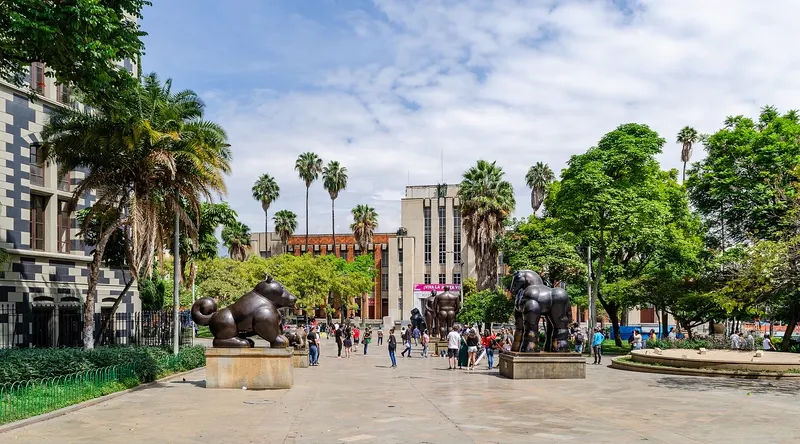
Right in the center, facing the Museo de Antioquia, Plaza Botero displays 23 bronze sculptures donated by Medellín-born artist Fernando Botero. Walk among them, take photos, then step into the museum, which holds a large part of the rest of his work.
Nearby stands the Palacio de la Cultura Rafael Uribe Uribe, its black-and-white neo-Gothic facade hard to miss. Downtown is lively and crowded, so visit during the day, carry only what you need, and keep your phone out of sight when you're not using it.
The Metrocable
Riding the Metrocable is an attraction in its own right. Line K departs from Acevedo station and climbs to Santo Domingo Savio, with sweeping views over the whole valley. From Santo Domingo you can connect to Line L, the scenic cable car that continues on to Parque Arví.
Pay with a Cívica card or buy single tickets at the metro counters. Lines get long during rush hour, so mid-morning is the better time to go.
Parque Arví
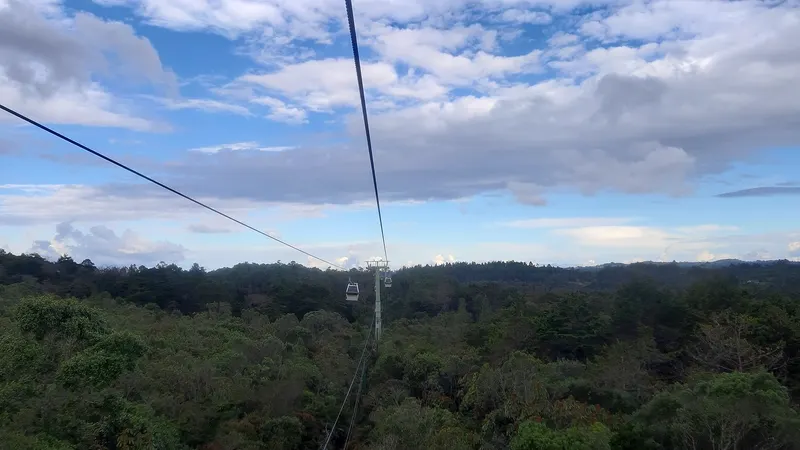
Parque Arví is a large ecological park in the mountains east of the city — forest, trails, small lakes, a farmers' market and traces of pre-Hispanic roads. It's the easiest way to get fresh mountain air less than an hour from downtown.
The Arví cable car (Line L) runs Monday through Saturday during daytime hours and does not operate on Tuesdays, its maintenance day. Check that day's schedule on the Medellín Metro website before heading out, and bring a jacket — it's noticeably cooler up there than in the valley.
Pueblito Paisa and Cerro Nutibara
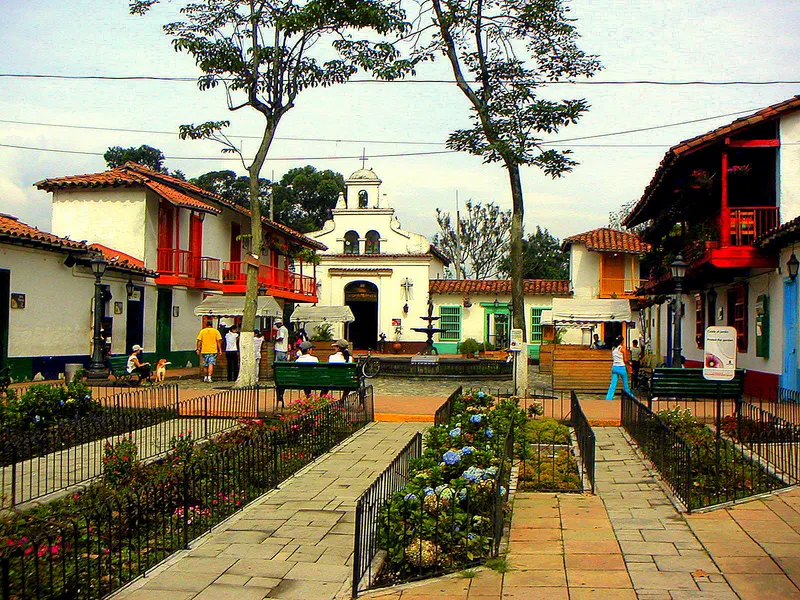
At the top of Cerro Nutibara sits a small replica of a traditional Antioquian village, complete with a plaza, church, barbershop and balconied houses. It's a low-key stop with viewpoints over the city and a handful of craft shops. The view is especially good at sunset.
Jardín Botánico and Parque Explora
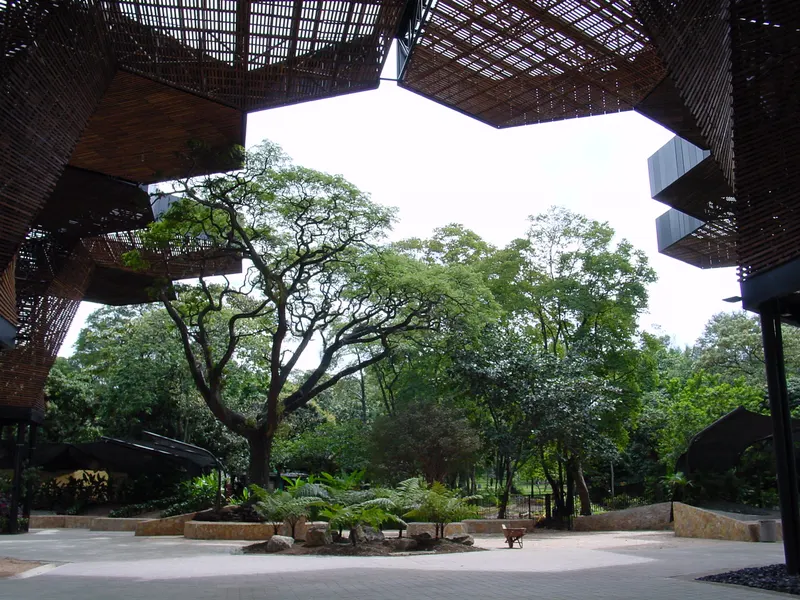
The Joaquín Antonio Uribe Botanical Garden is a free green oasis on the north side of the city, best known for the Orquideorama, a wooden structure shaped like giant flowers. Right next door are Parque Explora, an interactive science museum with a large aquarium, and the city planetarium. All three sit beside Universidad metro station, so they're easy to combine in one outing.
El Poblado, Provenza and Laureles
El Poblado is the most touristy neighborhood, with hotels, restaurants and nightlife concentrated around its Provenza pocket of cafés and bars. For a more local, lower-key feel, Laureles and its well-known Avenida La 70 offer good food, leafy parks and friendlier prices.
Day trip: Guatapé and La Piedra del Peñol
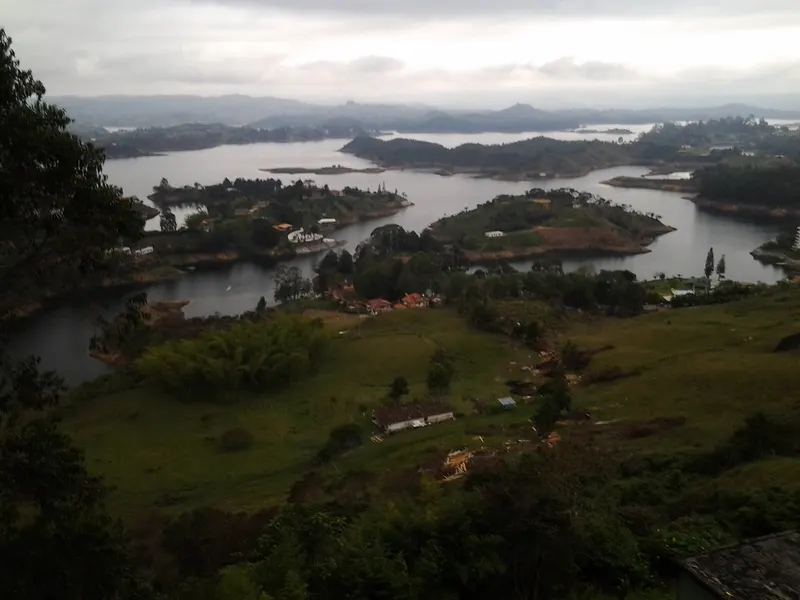
About two hours from Medellín is Guatapé, the town of the zócalos — colorful painted relief panels on the lower half of each house's facade, each one telling a story about the family inside. Right beside the town rises La Piedra del Peñol, a roughly 220-meter (720-ft) granite monolith you climb via a staircase of 740 steps. The payoff is one of Colombia's most photographed views: a maze of islands and inlets carved into the reservoir below.
It's an easy day trip to arrange, whether through a tour booked from your hotel or independently, and well worth the two hours of travel each way.
Eating, sleeping and getting around
What to eat
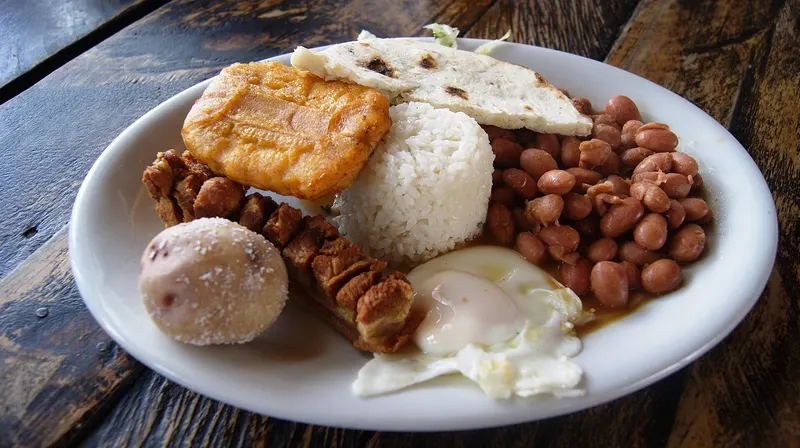
- Bandeja paisa: Antioquia's signature dish. Beans, rice, ground beef, pork crackling, chorizo, fried egg, arepa, avocado and sweet plantain, all on one plate. It's a lot of food — split one if you're not starving.
- Arepa paisa: thin and unsalted, served alongside almost every meal.
- Mazamorra con panela: cooked corn served in milk with a chunk of unrefined cane sugar, traditionally eaten after lunch.
- Buñuelos and pandequeso: cheese breads for breakfast or an afternoon snack, with a tinto (black coffee).
- Obleas: thin wafers filled with caramel spread (arequipe), blackberry jam or cheese, sold from street carts.
Where to stay
- El Poblado: the easiest first-visit base, close to restaurants and nightlife. Also the most expensive.
- Laureles–Estadio: more local, flat and walkable, with a better price-to-quality ratio.
- Envigado: quiet and residential, well connected by metro.
Getting around
The metro is the backbone of the city: two train lines, several Metrocable lines, the Ayacucho tram and connected buses. Buy a Cívica card so you're not queuing for a ticket at every ride. For trips at night, order a taxi through an app or by phone rather than hailing one off the street.
Suggested 3-day itinerary
- Day 1: Plaza Botero and the Museo de Antioquia in the morning, lunch downtown, then the Metrocable's Line K up to Santo Domingo and the Arví cable car in the afternoon (skip this if it's a Tuesday).
- Day 2: a guided walk through Comuna 13 in the morning, the Botanical Garden and Parque Explora in the afternoon, evening in Provenza.
- Day 3: a full-day trip to Guatapé and La Piedra del Peñol.
For a longer, multi-city trip through the country, see our full Colombia itinerary.
When to go
Medellín is a year-round destination. The driest stretches tend to fall in December–March and July–August. If you like festivals, the Feria de las Flores (Flower Fair) runs from late July into early August, with its famous silleteros parade of growers carrying huge flower arrangements on their backs. In December, the river-side Christmas lights are another good reason to time a visit around the holidays.
If Medellín is just one stop on a broader Colombia trip, it's worth checking flight options a little further south, too: it's a short domestic hop to Cali, Colombia's salsa capital and a completely different rhythm of city, and an easy add-on if you have a couple of extra days in your plans.
Frequently asked questions
How many days do I need in Medellín?
Three full days cover the essentials; add a fourth if you want to visit Guatapé without rushing.
Is it safe to visit Comuna 13?
Yes — it's one of the most visited neighborhoods in the city. Go during the day, ideally with a local guide, and take the same normal precautions with your belongings you would anywhere.
What days does the Arví cable car not run?
The Arví cable car (Line L) is closed on Tuesdays for maintenance. It runs during daytime hours the rest of the week; confirm the schedule on the Medellín Metro website.
What should I pack for Medellín?
Light clothing for the day and a light jacket for the evening or for the cooler air at Parque Arví. A small umbrella is worth having during the rainy months.
Can I visit Guatapé as a day trip from Medellín?
Yes — it's about two hours each way by road, easily done in a single day whether you book a tour or arrange transport yourself.
Keep reading
 BogotáBogotá: a guide to Colombia's capitalWhat to do in Bogotá: La Candelaria, the Gold Museum, Monserrate, the Botero Museum, Usaquén, Ciclovía and the Salt Cathedral. Weather, food, tips.
 CaliCali: A Complete Guide to the World Capital of SalsaWhat to see and do in Cali: San Antonio, Cristo Rey, La Ermita, the riverside boulevard, the zoo, salsa, local food, weather and travel tips.
 CartagenaCartagena: a guide to the walled city and its islandsWhat to do in Cartagena: the walled city, Getsemaní, Castillo San Felipe, La Popa, the Rosario Islands, Playa Blanca, food, weather and trip tips.