Cali
Cali: A Complete Guide to the World Capital of Salsa
What to see and do in Cali: San Antonio, Cristo Rey, La Ermita, the riverside boulevard, the zoo, salsa, local food, weather and travel tips.
Cali feels different the moment you land: heat rises off the pavement, a breeze rolls down from the Farallones mountains in the evening, and salsa spills out of open doors on almost every block. It's Colombia's third-largest city, capital of the Valle del Cauca department, and the country's gateway to the Pacific coast. Here, salsa isn't a show staged for visitors — it's how the city celebrates, gathers and unwinds, which is exactly why Cali carries the nickname the world capital of salsa.
This guide goes beyond the dance floor: the historic neighborhoods worth a slow walk, the viewpoints over the valley, the Valle del Cauca food scene, and the nature that's just minutes from downtown.
Why visit Cali
Cali brings together three things few cities combine: world-class music culture, a distinct regional cuisine, and nature close at hand. In under half an hour you can go from a salsa class to swimming in the Pance River; in about ninety minutes you can reach Lake Calima or the sugarcane fields of the Valle del Cauca.
Cali is also Colombia's gateway to its Pacific region, and that heritage shows up in the music, the food and events like the Petronio Álvarez Festival, one of the most important Pacific-region music gatherings in Latin America, usually held every August. Check our guide to the Petronio Álvarez Festival for the latest on the 2026 edition.
The best places to see in Cali
San Antonio neighborhood
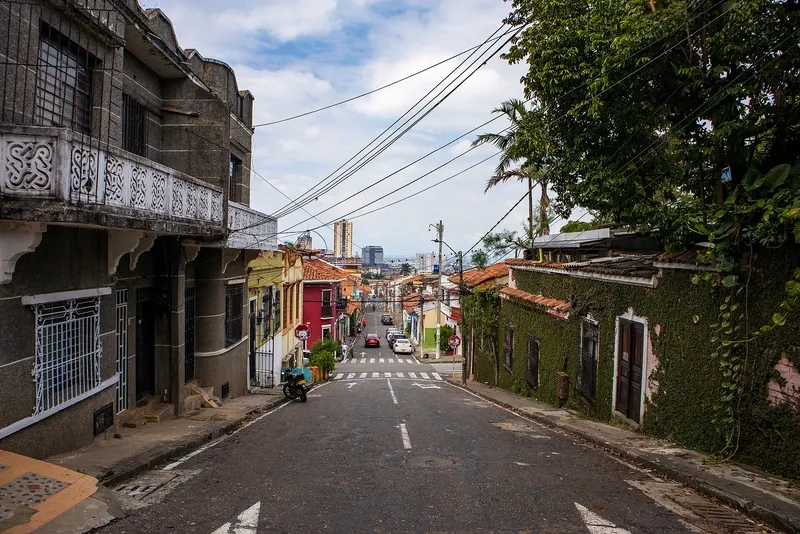
San Antonio is Cali's colonial-era hillside neighborhood: red-tile roofs, steep cobblestone streets, cafés, hostels and artist workshops. At the top sits the San Antonio Chapel and its namesake park, the best spot in the city to watch the sunset while street musicians, storytellers and cholado vendors bring the hill to life. Go in the late afternoon and stay for dinner at one of the neighborhood restaurants.
Cristo Rey
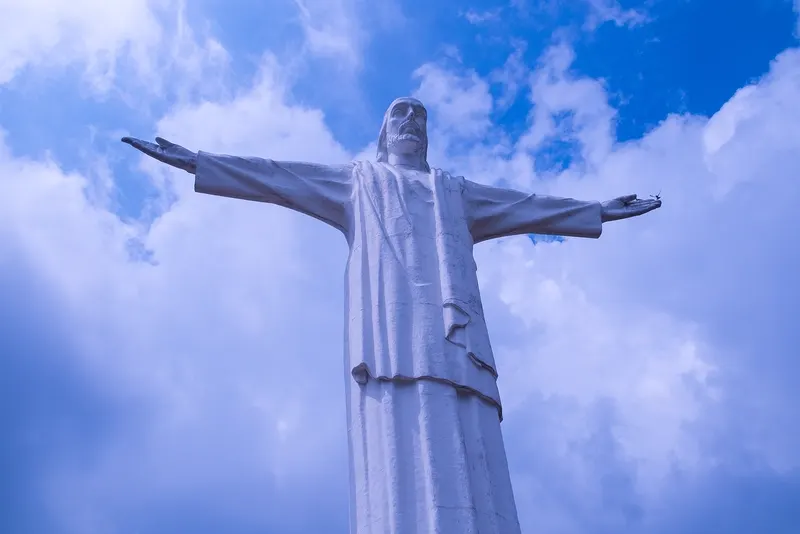
The Cristo Rey monument stands 26 meters (85 ft) tall and was inaugurated in 1953. It sits on Cerro Los Cristales, roughly 1,440 meters (4,720 ft) above sea level, so the viewpoint takes in the whole city and much of the valley below. You can reach it by car or taxi along a mountain road; food stalls and craft vendors line the summit. On a clear day, morning light gives the best views.
La Ermita and the Riverside Boulevard
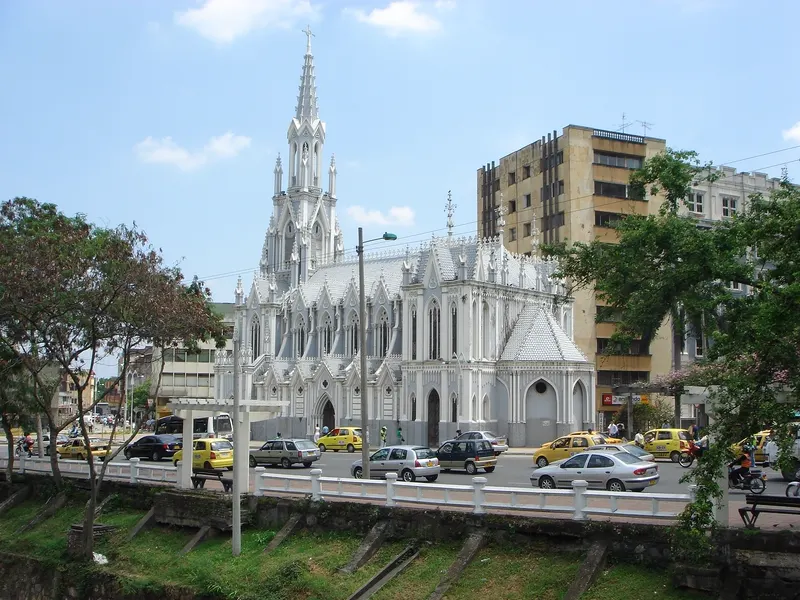
The white, neo-Gothic La Ermita church is Cali's most photographed landmark. It sits beside the Bulevar del Río, a pedestrian promenade that runs along the Cali River and links the historic center — Plaza de Caicedo, the Cathedral and the Municipal Theater. It's best walked at sunset, once the heat has eased.
Further north along the river is the Gato del Río, a cat sculpture by artist Hernando Tejada, now surrounded by dozens of painted "girlfriend" cats created by other artists over the years.
Tres Cruces Hill
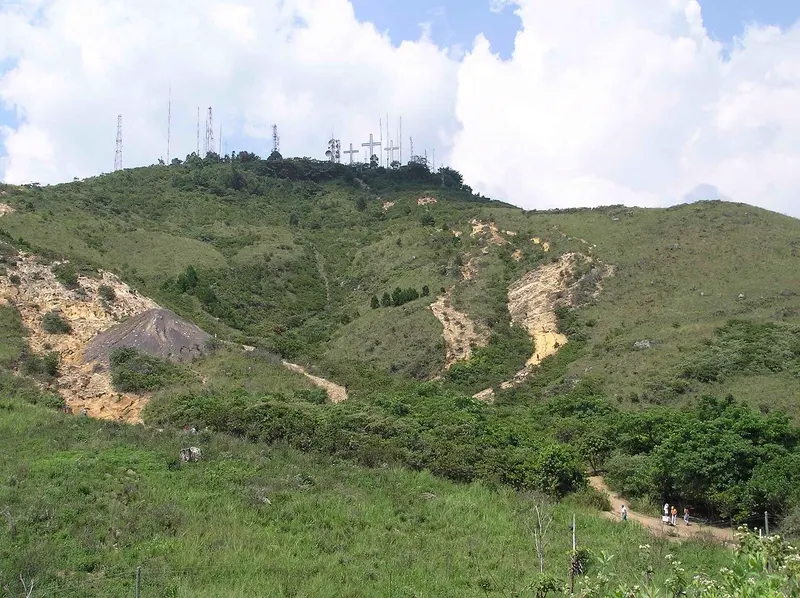
Locals climb Tres Cruces on weekends for exercise. It's a demanding, steadily uphill hike, rewarded with a panoramic view over the city. Go early in the morning, in a group, and bring water; avoid hiking alone or late in the afternoon.
Cali Zoo
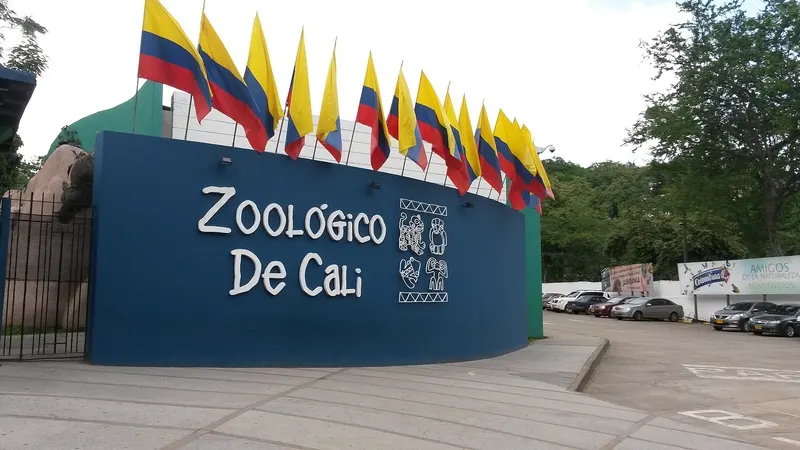
Widely considered one of the best zoos in Latin America, it sits on the banks of the Cali River with a strong focus on Colombian wildlife and conservation. It's a solid family outing — plan for at least three hours.
Pance River and the Farallones
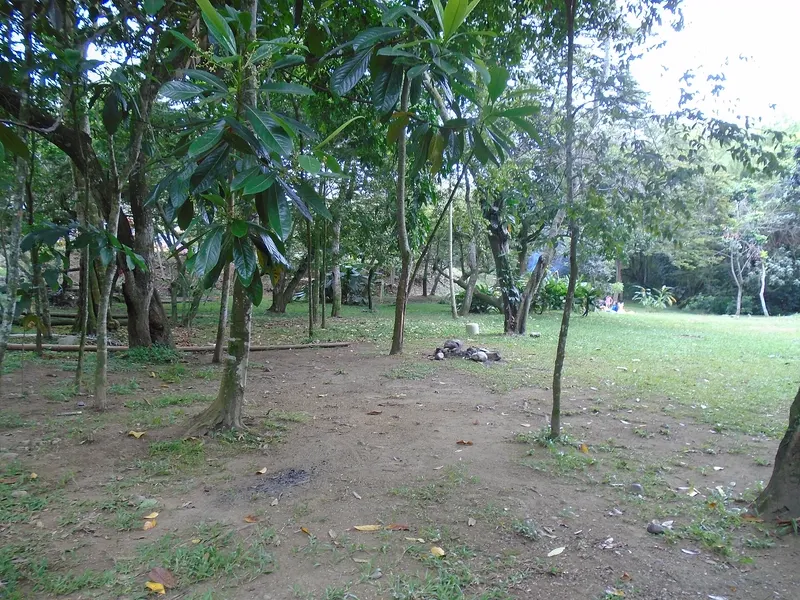
South of the city, the Pance River runs cold and clear down from the Farallones de Cali. On weekends, families come to swim, cook sancocho over an open fire, and relax in the shade. For something more active, hiking trails head from here into the buffer zone of Farallones de Cali National Park (some sections require a permit or guide — check before you go).
Salsa in Cali

Caleño-style salsa is known for its fast, intricate footwork. There are three main ways to experience it:
- Take a class: academies across several neighborhoods offer group or private lessons for beginners.
- Watch a show: a number of dance schools stage performances by professional dancers, with acrobatics and elaborate costumes.
- Go dancing: options range from old-school clubs playing classic salsa to salsódromo-style venues and live-music bars. Juanchito, across the Cauca River, was the birthplace of Cali's salsa nightlife, though most of its legendary clubs have since closed.
We cover all of this in detail in our guide to salsa in Cali.
What to eat in Cali
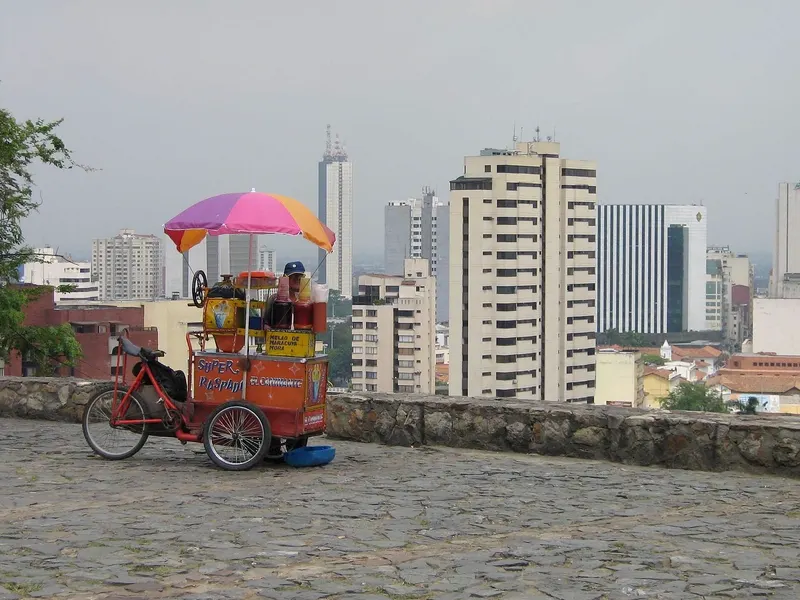
- Cholado: shaved ice topped with chopped fruit, fruit syrup, condensed milk and a cookie — built for the heat.
- Lulada: a cold drink of chopped lulo fruit with lime juice and ice.
- Aborrajados: ripe plantain stuffed with cheese, battered and deep-fried.
- Pandebono: a cheese-and-cassava-starch bread roll, ideal with coffee.
- Champús: a traditional drink of corn, lulo, pineapple and cinnamon.
- Sancocho de gallina: the classic riverside chicken stew, cooked over a wood fire.
For more on regional dishes, see our guide to Cali's local food.
Where to stay
- San Antonio: bohemian and full of character, close to the historic center.
- Granada and El Peñón: the restaurant, café and boutique-hotel district.
- Ciudad Jardín or the south: quiet and close to Pance, a good base if you're driving.
When to go
Cali is warm all year, so there's no bad season weather-wise. If you can time your trip, two dates stand out: the Feria de Cali, December 25–30, with the Salsódromo parade and concerts; and the Petronio Álvarez Festival, in August, dedicated to Pacific-region music and culture.
Suggested 3-day itinerary
- Day 1: Cristo Rey in the morning, lunch downtown, the Bulevar del Río and La Ermita in the afternoon, sunset in San Antonio.
- Day 2: Cali Zoo in the morning, a salsa class in the afternoon, and a night out dancing.
- Day 3: a river day at Pance with sancocho, or a day trip to Lake Calima.
Frequently asked questions
What's the best time of year to visit Cali?
Any time works — the weather stays warm year-round. To experience the city at its most festive, go during the Feria de Cali (December 25–30) or the Petronio Álvarez Festival (August).
Do I need to know how to dance salsa to go out in Cali?
No. Many venues welcome all skill levels, and locals often invite newcomers onto the dance floor. A one-hour class is enough to learn the basic steps.
How tall is the Cristo Rey monument in Cali?
The monument stands 26 meters (85 ft) tall, on Cerro Los Cristales at roughly 1,440 meters (4,720 ft) above sea level.
What is cholado?
It's Cali's most famous street dessert: shaved ice with chopped fruit, fruit syrup, condensed milk, and sometimes a cookie and ice cream on top.
Keep reading
CaliTraditional Food in Cali: A Guide to What to EatChicken sancocho, tamal valluno, arroz atollado, marranitas, pandebono, champús, lulada and cholado: what each Cali dish is and where to try it.CaliFeria de Cali 2026: A Guide to Colombia's Year-End Salsa FestivalThe Feria de Cali, December 25-30: the Salsódromo, other parades, the Superconcierto, buying tickets safely, where to stay and how to get around. CaliPetronio Álvarez Festival in Cali: Music, Food and Viche GuidePetronio Álvarez Festival in Cali, Colombia: marimba and currulao music, Pacific coast cuisine, viche liquor, dates, how to get there and tips.