Cali
Traditional Food in Cali: A Guide to What to Eat
Chicken sancocho, tamal valluno, arroz atollado, marranitas, pandebono, champús, lulada and cholado: what each Cali dish is and where to try it.
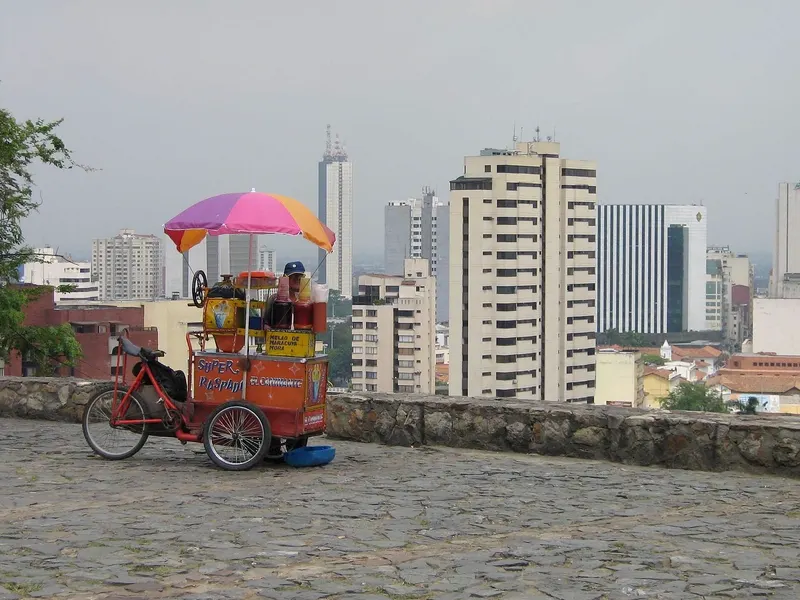
Cali sits in a hot, fertile valley full of sugarcane, fruit and cattle, with a close relationship to Colombia's Pacific coast just a few hours away by road. That mix shapes the local kitchen: fried plantain, chicken soups cooked riverside, cold fruit drinks for the heat, and a real soft spot for milk-based sweets. Add to that the influence of Pacific coast cooks, who brought coconut, fish and rooftop-garden herbs into the mix.
Our Colombian food guide covers the national picture. Here we go deeper into what people actually eat in Cali and the Valle del Cauca region: what goes into each dish, how to order it, and where in the city to find it.
Chicken sancocho: the soup of the riverside cookout
The dish most identified with the Valle del Cauca region is chicken sancocho, also called sancocho valluno. It's ideally made with free-range hen (gallina criolla), which has firmer meat and gives a deeper broth than regular chicken, slow-cooked with green plantain, cassava, potato and corn on the cob. The herb that defines it is cilantro cimarrón, a broad-leafed, intensely aromatic herb added at the end of cooking.
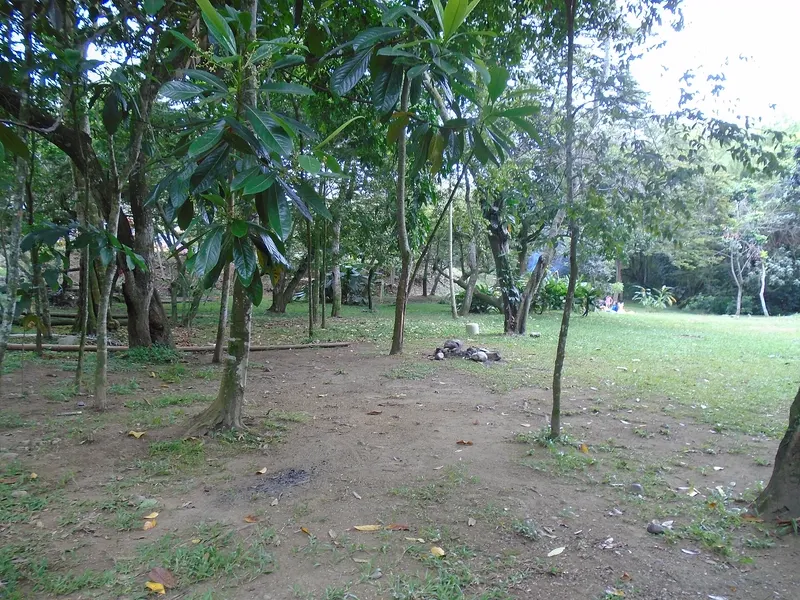
It's the food of the paseo de olla, a classic Colombian day trip where families and friends spend the day by a river, build a wood fire, and cook in one large pot together. In Cali, the Pance River has been the traditional setting for these outings for decades. It's served with white rice, avocado, plantain and ají (a mild, fresh chili sauce).
If you want to compare it with sancochos from other regions, check our guide to Colombian soups and sancochos.
Arroz atollado and tamal valluno
Arroz atollado
A soupy-to-thick rice dish with colonial roots, related to Spanish rice dishes. It's made with pork (rib and other cuts), chicken, longaniza or chorizo sausage, potato and a generous hogao (tomato-and-onion sauce), cooked until it turns moist and creamy — "atollado" means something like "bogged down" or "stuck," describing the texture. Some say it isn't authentic without smoked pork rib and longaniza. It's a hearty lunch dish: one portion is a full meal.
Tamal valluno
Tamales are eaten all over Colombia, but each region wraps and fills them differently. The tamal valluno is wrapped in plantain leaf and made with corn dough and large pieces of meat, typically pork and chicken, along with potato, egg and an onion-tomato stew. Compared with the tamal tolimense, which includes rice and peas and is known for its large size, the valluno version tends to be more compact, with the corn dough playing a bigger role. Recipes vary from house to house, so don't be surprised to find variations. It's typically eaten for breakfast, with hot chocolate or coffee.
Valle-style fried food: aborrajados, marranitas and empanadas
The Valle del Cauca has a fried-food culture worth getting to know properly:
- Aborrajados: slices of ripe plantain stuffed with white cheese, dipped in a flour-and-egg batter, and fried. Crispy outside, sweet and gooey with melted cheese inside. Eaten as a starter or side.
- Marranitas: small balls of green plantain that are fried, flattened, filled with chopped pork chicharrón (crispy pork belly), and fried again. They're salty and crunchy, and you'll find them at cafés, traditional restaurants and street stalls across the Valle.
- Empanadas vallunas: small, golden, crispy corn-dough empanadas filled with potato and shredded beef in a light stew. Served with ají and lime. Eaten any time of day, but especially popular for mid-morning or mid-afternoon snacks.
For more on empanadas and other Colombian street snacks, see our guide to Colombian street food.
Pandebono and pandeyuca
Pandebono is Cali's most famous bread. It's kneaded from cassava starch, corn flour and cheese, then baked until golden outside and chewy inside. It's best eaten warm, ideally straight from the oven, with coffee, hot chocolate or a glass of champús.
There are several stories about its origin. The most popular one traces it to a hacienda called El Bono, on the road between Cali and the Pacific coast, where it's said to have been made in the 19th century. The City of Cali has also recorded another version placing its origin in the early 20th century in the El Peñón neighborhood. Neither story has been fully proven, but no one disputes that pandebono is a symbol of the Valle del Cauca.
Pandeyuca, a close cousin, is also made with cassava starch and cheese, shaped into a ring or horseshoe.
Drinks for the heat: lulada, champús and cholado
- Lulada: Cali's signature drink. The lulo fruit isn't blended — it's chopped or mashed by hand and mixed with lime juice, sugar, water and plenty of ice, so small pieces of fruit remain. It's tart, thick and very refreshing.
- Champús: a thick, cold drink made from cooked corn, with pineapple, lulo, panela (unrefined cane sugar) and spices like cinnamon and clove; it's often flavored with bitter orange leaves. It's a classic companion to pandebono and empanadas.
- Cholado: more of a dessert than a drink. Shaved ice is topped with chopped fruit (banana, pineapple, papaya, strawberry, mango, depending on the stall), colored syrups and condensed milk, finished with coconut, crushed cookies or cream. Although it's associated with Cali, it actually originated in the neighboring town of Jamundí, where there's a park full of stalls dedicated to making it.
In Cali you'll also see chontaduro sold on the street, a Pacific-coast fruit eaten boiled, with salt or honey. Learn more about it and other fruits in our guide to exotic Colombian fruits, and about these drinks in our guide to traditional Colombian drinks.
Manjar blanco and other Valle del Cauca sweets
Manjar blanco is the most beloved sweet in the Valle del Cauca. It's made from milk, soaked and ground rice, sugar or panela, and cinnamon, cooked for hours in a copper paila (wide pan) while being stirred constantly, until the mixture thickens. It's traditionally served in totumas, bowls carved from the dried fruit of the totumo tree. It's sold year-round, but it takes center stage in December, alongside buñuelos and natilla.
Other sweets you'll come across in the Valle include cortado de leche (a firmer milk fudge), bocadillo valluno (a guava-and-panela paste), and alegrías, small balls of panela and puffed cereal sold in markets and plazas. All of these are covered in our guide to traditional Colombian desserts.
Where to eat: markets and neighborhoods
Galería Alameda
The Alameda market has operated since 1955 in Comuna 9, near the city center, and has become a tourist draw in its own right thanks to its food. Alongside stalls selling fruit, vegetables and seafood, it has a restaurant section where cooks carrying on Pacific-coast traditions prepare fish sancocho in coconut milk, seafood stews, shrimp ceviche, rice dishes and fried fish. There are also stalls selling fritanga (mixed fried meats), rellena (blood sausage) and traditional drinks. It's the best place in the city to try lesser-known fruits — just ask, and vendors will let you taste them.
Neighborhoods with restaurants
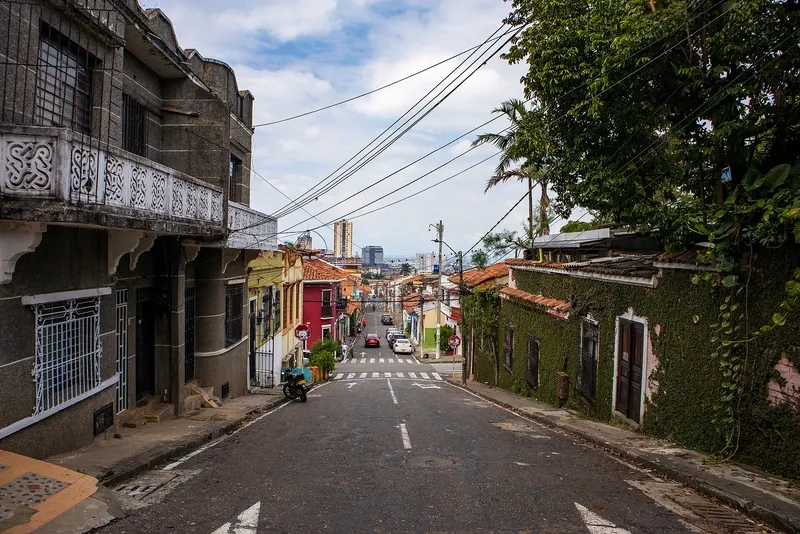
According to the City of Cali, the main dining areas are Granada, El Peñón, San Antonio, the Parque del Perro area (in San Fernando), and Ciudad Jardín. You'll find Valle del Cauca, national and international cuisine in all of them. San Antonio in particular is a traditional neighborhood best enjoyed on foot before you sit down to eat.
If you're traveling in late December, the Feria de Cali fills the city with food stalls, and if your trip lines up with the Petronio Álvarez Festival, you'll find the best showcase of Pacific-coast food and drink in one place. To plan the rest of your trip, check our guide to Cali and to salsa in Cali for the nightlife.
Frequently asked questions
What is the most typical food in Cali?
Chicken sancocho is the dish most closely identified with the Valle del Cauca region. Day to day, pandebono, empanadas vallunas, aborrajados, lulada and champús are also extremely common.
What's the difference between tamal valluno and tamal tolimense?
Both are wrapped in leaves and cooked for hours, but the tolimense version is larger and includes rice and peas, while the valluno version tends to be more compact, with more corn dough and larger pieces of meat. Recipes vary a lot from household to household.
Is cholado originally from Cali?
It's strongly associated with Cali, but it actually originated in Jamundí, a neighboring town just south of the city, where there's still a park full of stalls dedicated to making it.
What are marranitas?
Small balls of fried green plantain, flattened and stuffed with chopped pork chicharrón, then fried again. They're a classic fried snack from the Valle del Cauca region.
Where can I eat Pacific-coast food in Cali?
At Galería Alameda, where cooks carrying on Pacific-coast traditions prepare fish sancocho, seafood stews, ceviches and rice dishes in the market's restaurant section.
Keep reading
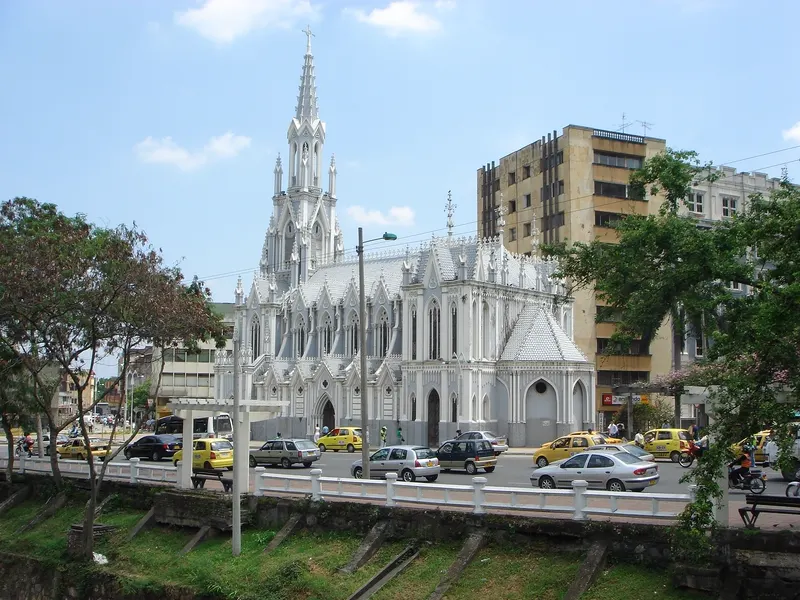 CaliCali: A Complete Guide to the World Capital of SalsaWhat to see and do in Cali: San Antonio, Cristo Rey, La Ermita, the riverside boulevard, the zoo, salsa, local food, weather and travel tips.
 CaliFeria de Cali 2026: A Guide to Colombia's Year-End Salsa FestivalThe Feria de Cali, December 25-30: the Salsódromo, other parades, the Superconcierto, buying tickets safely, where to stay and how to get around.
 CaliPetronio Álvarez Festival in Cali: Music, Food and Viche GuidePetronio Álvarez Festival in Cali, Colombia: marimba and currulao music, Pacific coast cuisine, viche liquor, dates, how to get there and tips.