Guías
Colombian Food: What to Eat in Every City
Colombia's regional food guide — bandeja paisa, ajiaco, arepas, cholado, coconut rice with fish, exotic fruit, and coffee, region by region.
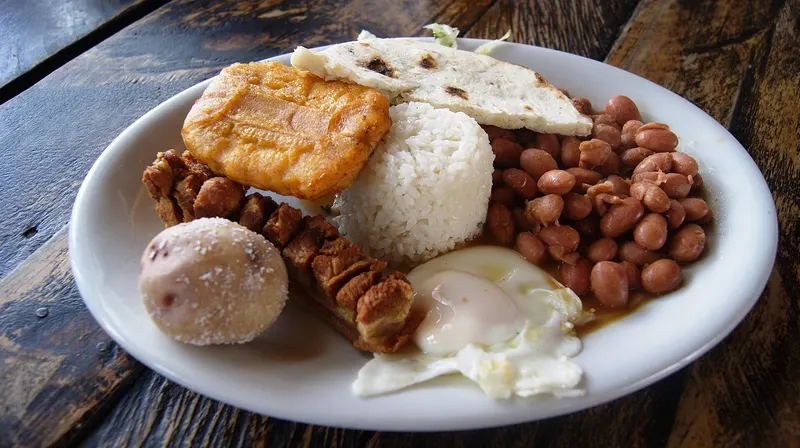
Colombian cooking is as varied as the country's geography. It changes with climate, altitude, and local history: the Andes bring hearty soups and arepas; the coast brings fish, coconut, and plantain; the Valle del Cauca brings fruit and sweets; the Pacific brings wild herbs and coconut milk. This page is the entry point — a map of flavors by region, what not to miss in each one, and a link to the detailed guide on what to order and where.
One country, many cuisines
In 2012, Colombia's Ministry of Culture published the Basic Library of Traditional Colombian Cuisines, 17 volumes covering around 1,300 recipes, alongside a public policy to protect that knowledge as intangible cultural heritage. The idea behind it is simple: there's no single "Colombian food" — there are many regional cuisines, shaped by altitude and by a mix of Indigenous, Spanish, and African heritage.
In practice, that means a dish can change its name, its recipe, and even the hour it's eaten depending on where you order it. Sancocho from the Valle del Cauca isn't the coastal version; a paisa arepa looks nothing like one from Boyacá; a tamal from Bogotá isn't the same as one from Tolima. It's worth eating each region's food in its own region.
How Colombians eat
- Breakfast: eggs, arepa, and something hot almost everywhere, with regional twists like Antioquia's calentado or Bogotá's changua.
- Lunch: the main meal. Soup usually arrives first, followed by the "seco" — rice, protein, a side of beans or lentils, salad, and fried plantain.
- Mid-afternoon: Antioquia's "algo" or Bogotá's "onces," with coffee or hot chocolate and cheese bread.
- Dinner: lighter than lunch.
Region by region
Cali and the Valle del Cauca: the tastiest region for a hot day
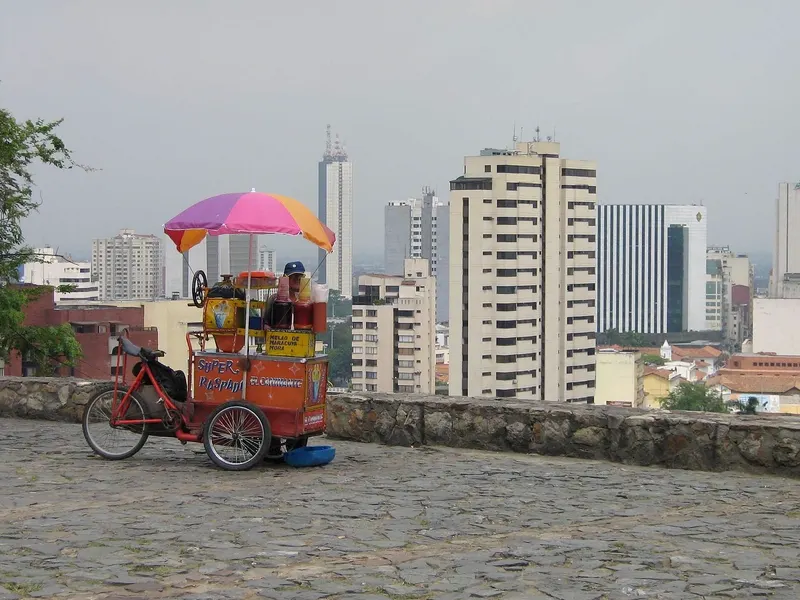
If there's one region worth building a whole afternoon of eating around, it's Cali. Valle del Cauca food is built for heat: sugarcane, tropical fruit, and street food that cools you down as much as it fills you up. Sancocho de gallina (chicken sancocho) is the river-day classic, and arroz atollado, a thick, soupy rice with pork and chicken, is a full meal on its own. Among the fried snacks, aborrajados (ripe plantain stuffed with cheese, then fried) and vallecaucana empanadas with ají both compete for the top spot, and every bakery in the city sells pandebono. For the heat itself, there's a whole category of cold treats: lulada (crushed lulo fruit over ice), champús (a spiced corn and fruit drink), and above all cholado — shaved ice piled with fresh fruit, condensed milk, and syrup, sold from carts all over the city, especially around San Antonio. The house dessert is manjar blanco, a caramelized milk sweet. For exactly what to order and where, see our full Cali food guide.
The Pacific coast: Cali's other food story
The Pacific is the least-known cuisine among travelers, and one of the most flavorful. Fish and seafood are cooked in coconut milk, green plantain, and wild herbs, as in tapao, a fish stew cooked in a covered pot. Fruits like borojó and chontaduro come from this region, and viche, an artisanal sugarcane spirit, was recognized by Law 2158 of 2021 as an ancestral drink of Colombia's Black Pacific communities. The easiest place to try this cooking is Cali itself: the Galería Alameda market has traditional Pacific cooks selling it fresh. The big showcase is the Petronio Álvarez Festival, which was suspended in 2026 after the August earthquake and rescheduled for later in the year by the city government — check official channels for the confirmed date.
Antioquia and the Coffee Region
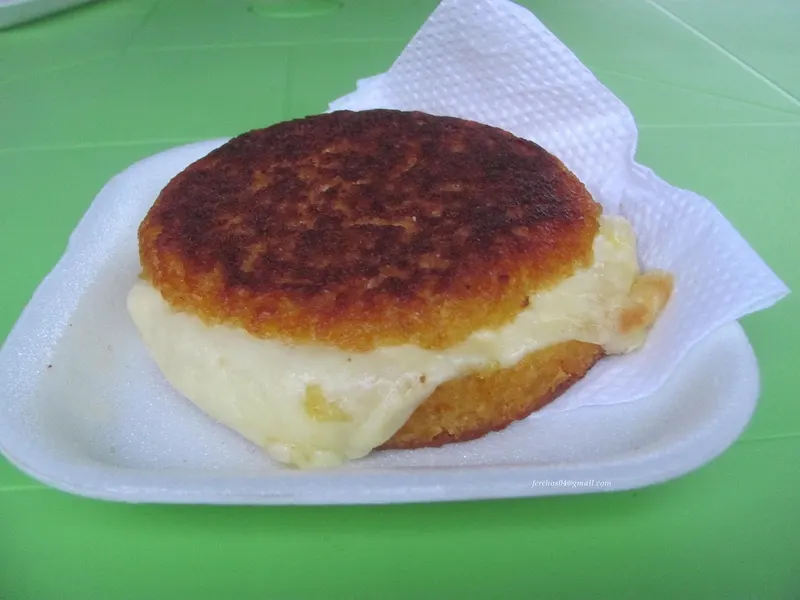
The cuisine of abundance. Bandeja paisa piles beans, rice, ground beef, pork belly, chorizo, a fried egg, arepa, avocado, and fried ripe plantain onto a single plate. The paisa arepa, thin and nearly unsalted, goes with everything; mazamorra with panela closes out lunch, and mondongo, a tripe soup, is the region's best-known soup. Near the cold lakes and reservoirs, trout is the classic day-trip lunch.
Bogotá and the high plains
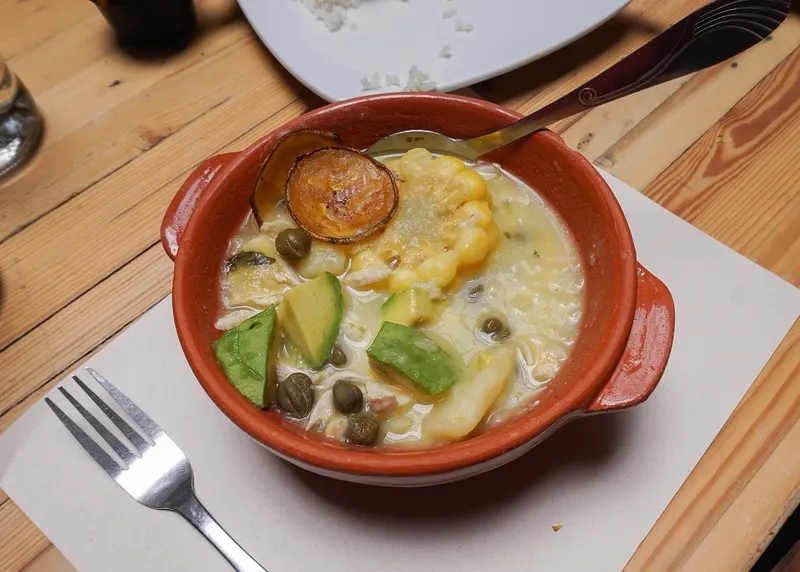
Cold land, hot food. Ajiaco santafereño is a thick soup of three kinds of potato, chicken, corn on the cob, and guascas herb, finished with capers, cream, and avocado. Mornings bring changua and tamal; mid-afternoon calls for hot chocolate with cheese and almojábanas. Weekends mean fritanga, a shared plate of fried meats. Up in Boyacá, on the way to Villa de Leyva, look for the Boyacá arepa — thick and slightly sweet.
Cartagena and the Caribbean coast
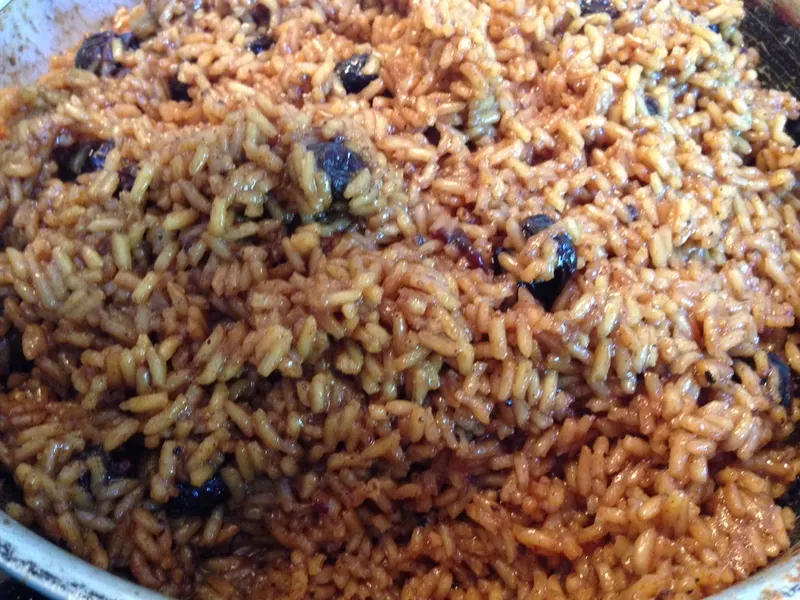
The coastal lunch is fried fish with coconut rice, fried plantain, and salad. On the street, arepa de huevo (a deep-fried arepa stuffed with egg) and carimañola; at the table, posta cartagenera, beef in a dark, sweet sauce, and seafood stew. For dessert, cocadas and other sweets from the Portal de los Dulces. In Barranquilla, the Carnival dish is sancocho de guandú with salted beef.
Santander
Mute is the region's signature soup: thick, made with hulled corn and several kinds of meat. The Santander-style arepa is made with hulled corn, yuca, and pork rind. Two sweets from this region travel well beyond it: obleas (wafers with arequipe and toppings), closely tied to Floridablanca, and bocadillo veleño, a guava paste wrapped in bijao leaf with protected designation of origin.
Tolima, Huila, and the Eastern Plains
The tamal tolimense, large and packed with several meats, rice, and peas, is the festive breakfast in many households and one of the best-selling tamales in Bogotá. Lechona, a whole pig stuffed and roasted for hours, is the star of celebrations; in Tolima, the traditional version is made with yellow peas and no rice. Out in the Llanos, carne a la llanera (also called mamona) is skewered and roasted around an open fire, and December brings hayaca.
Guides by type of food
- Soups: from ajiaco to mute, plus every version of sancocho.
- Street food: empanadas, arepas, roasted corn, meat skewers, and how to pick a good stand.
- Desserts and sweets: arequipe, obleas, bocadillo, natilla, and buñuelos.
- Drinks: coffee, aguapanela, hot chocolate, juices, chicha, aguardiente, and viche.
- Fruit: lulo, granadilla, gulupa, uchuva, pitahaya, borojó, and many more.
Arepas: one country, hundreds of versions
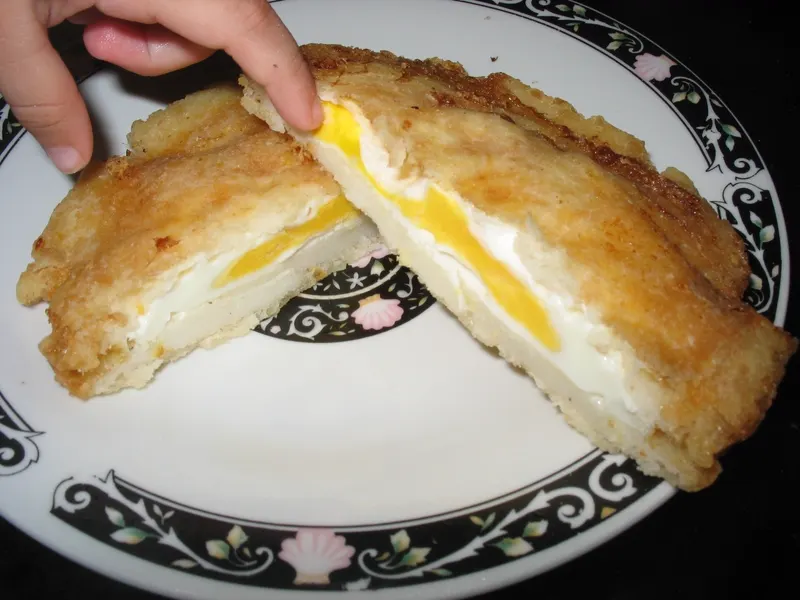
Arepas show up all over Colombia, but every region makes its own: thin and unsalted in Antioquia, thick and melted with cheese elsewhere, sweet in Boyacá, topped with pork rind in Santander, and fried twice with egg on the coast. Order whichever one is local to where you are and compare it with the last one you had — it's the cheapest way to understand the regions.
Coffee
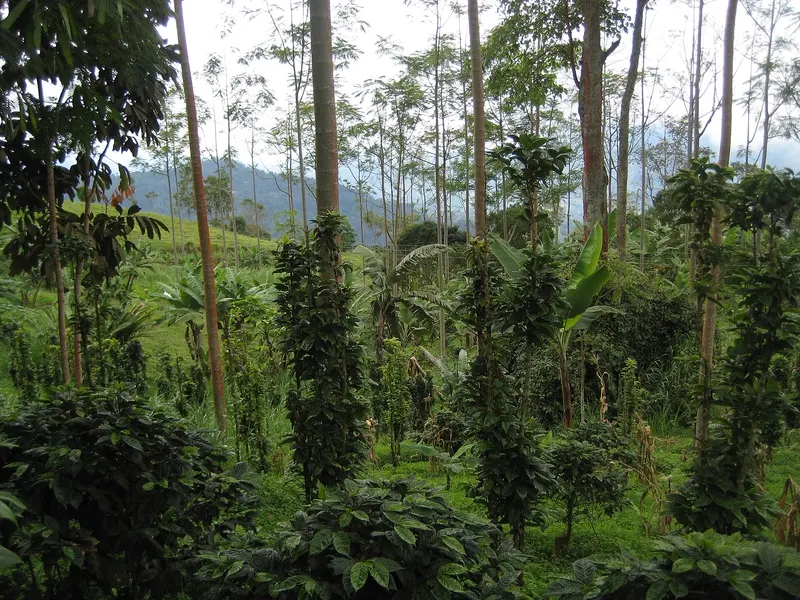
On the street, a tinto is a small, usually sweetened black coffee. In the bigger cities, specialty cafés let you compare beans from Huila, Nariño, Cauca, Tolima, or the Coffee Region itself, and in the Coffee Cultural Landscape you can visit a working farm and follow the process from seed to cup.
Eating around the calendar
- December: natilla and buñuelos in almost every household, plus the dishes of the novena and Christmas Eve dinner.
- Feria de Cali: stalls selling Valle del Cauca food all over the city, December 25–30. More in our Feria de Cali guide.
Frequently asked questions
What's Colombia's most typical dish?
There isn't just one: bandeja paisa, ajiaco, and sancocho all compete for the title, and every region has its own signature plate, from Santander's mute to the Llanos' carne a la llanera.
What is a "tinto" in Colombia?
A small black coffee, usually sweetened. It has nothing to do with red wine, despite the name.
Is Colombian food spicy?
Generally not. Heat is served on the side, in each restaurant's homemade ají, which varies from place to place. Try a small amount before adding more.
What fruit should I try in Colombia?
Lulo, passion fruit, granadilla, gulupa, guanábana, uchuva, and pitahaya are some of the tastiest and easiest to find. In Cali, don't skip chontaduro and borojó.
Where can I try Pacific coast food?
In Cali, at the Galería Alameda market, where traditional Pacific cooks make fish sancocho, seafood stews, and rice dishes. And, when it's held, at the Petronio Álvarez Festival.
Keep reading
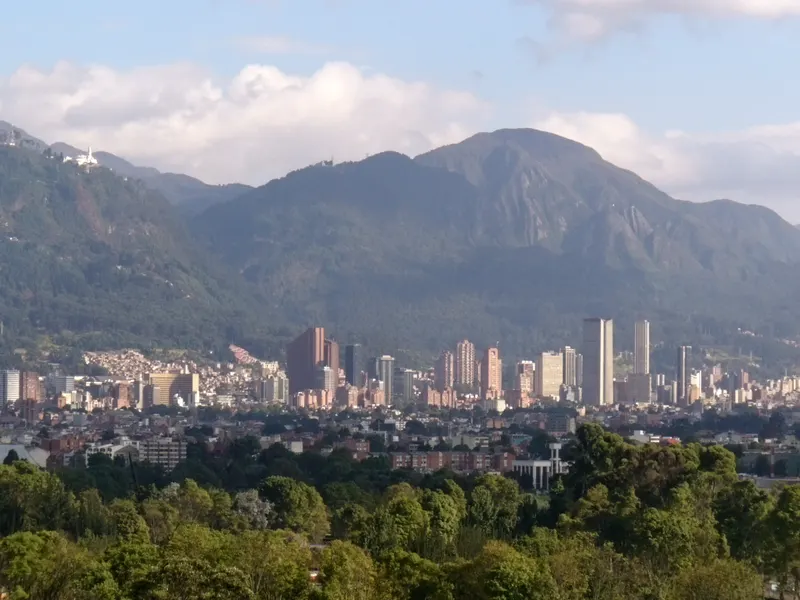 BogotáBogotá: a guide to Colombia's capitalWhat to do in Bogotá: La Candelaria, the Gold Museum, Monserrate, the Botero Museum, Usaquén, Ciclovía and the Salt Cathedral. Weather, food, tips.
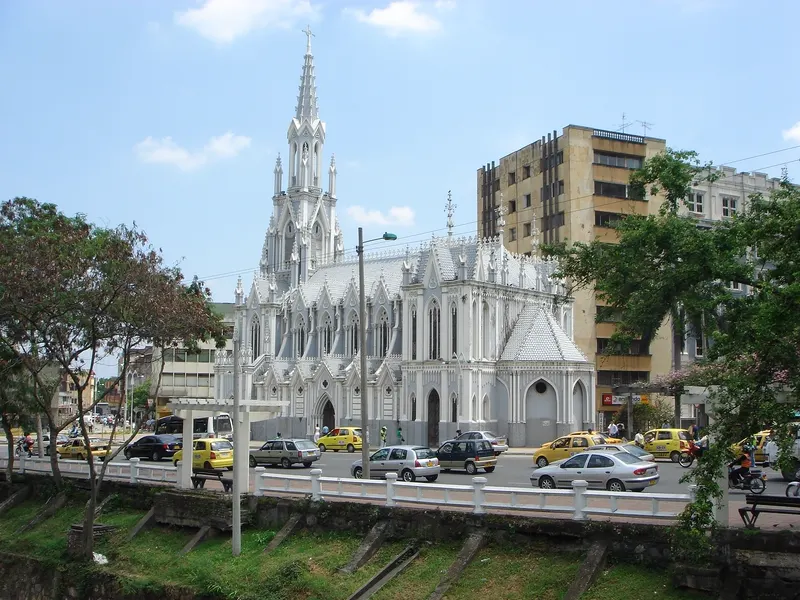 CaliCali: A Complete Guide to the World Capital of SalsaWhat to see and do in Cali: San Antonio, Cristo Rey, La Ermita, the riverside boulevard, the zoo, salsa, local food, weather and travel tips.
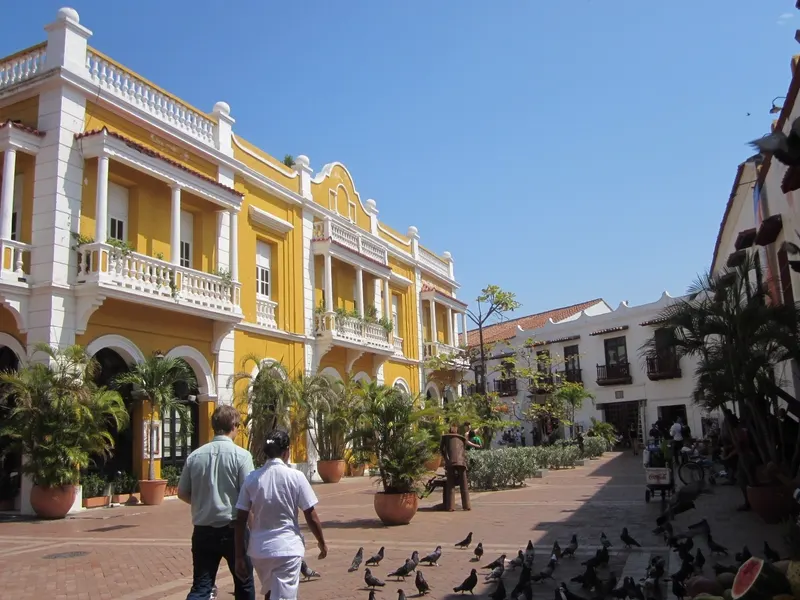 CartagenaCartagena: a guide to the walled city and its islandsWhat to do in Cartagena: the walled city, Getsemaní, Castillo San Felipe, La Popa, the Rosario Islands, Playa Blanca, food, weather and trip tips.