Cartagena
Cartagena: a guide to the walled city and its islands
What to do in Cartagena: the walled city, Getsemaní, Castillo San Felipe, La Popa, the Rosario Islands, Playa Blanca, food, weather and trip tips.
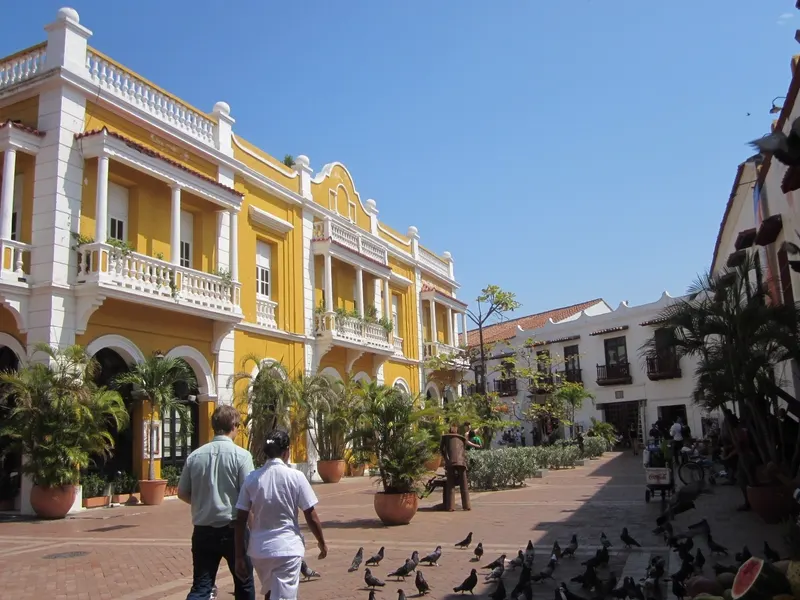
Cartagena de Indias is the most photographed city in Colombia, and it's easy to see why. Its historic center, ringed by kilometers of stone walls, keeps its colonial streets full of flower-draped balconies, plazas, churches and colorful houses facing the Caribbean Sea. The port, fortifications and monumental complex of Cartagena were declared a UNESCO World Heritage Site in 1984.
But Cartagena is more than a postcard: it's Caribbean coast cooking, the palenqueras selling fruit in their bright dresses, Getsemaní's nightlife and a sea full of islands with clear water less than an hour away by boat.
A bit of history
Cartagena was founded in 1533 by Pedro de Heredia and became one of the most important ports in the Spanish empire in the Americas. Riches bound for Europe passed through here, which drew pirate raids and enemy armies. Defending the city took nearly two centuries of building walls and forts — the most complete system Spain left anywhere on the continent. Walking those walls at sunset is still, today, the best thing to do in the city.
Top things to do in Cartagena
The walled city
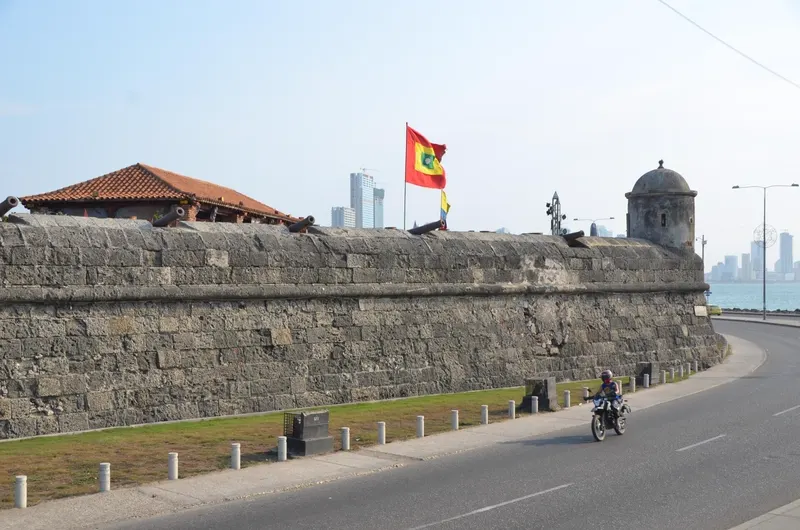
The historic center is best explored on foot, with no fixed plan. Wander between the Plaza de Santo Domingo (home to Botero's sculpture Gertrudis), the Plaza de San Pedro Claver, the cathedral and the Plaza de Bolívar. The best times to walk are early morning or after 4 p.m., once the sun has lost its edge. End the day up on the walls to watch the sunset over the water.
The Clock Tower
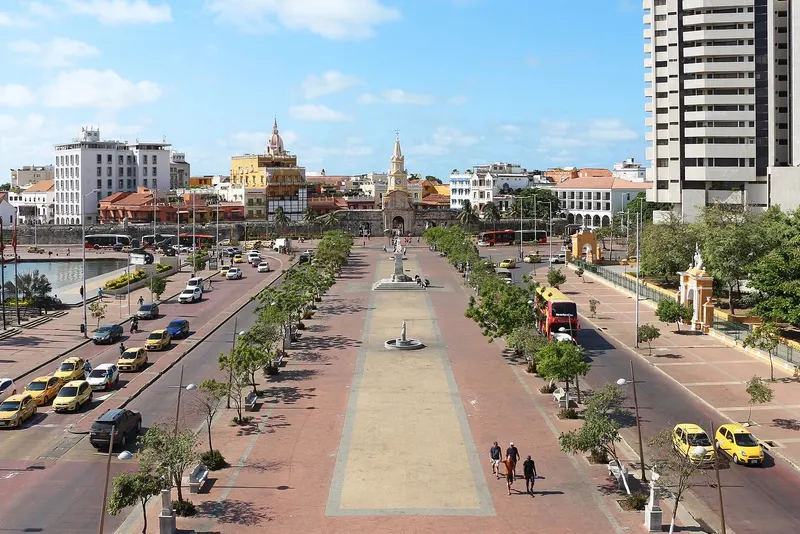
The Puerta del Reloj is the main entrance to the historic center. Just behind it is the Plaza de los Coches, with the Portal de los Dulces, where vendors sell coconut candy, alegrías and tamarind sweets. It's the natural starting point for any walk through downtown.
Getsemaní
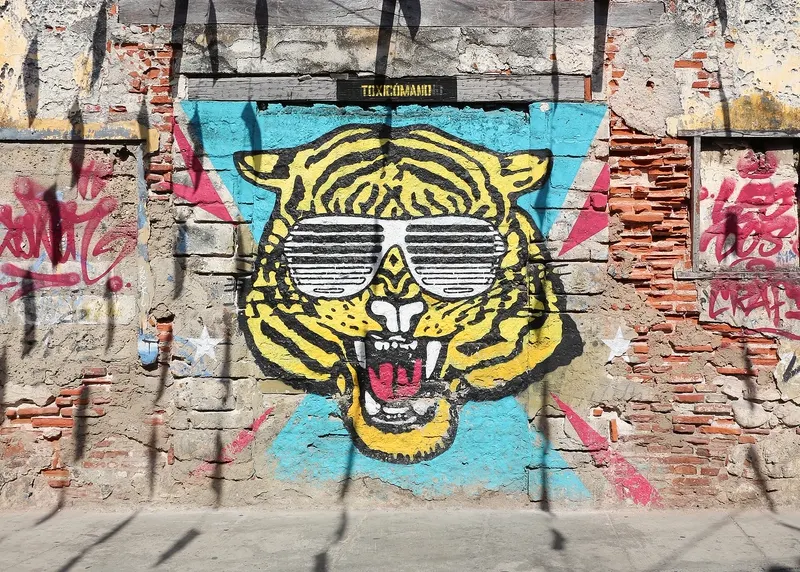
Getsemaní, outside the main wall, was once the neighborhood of artisans and dockworkers. Today it's the liveliest part of Cartagena: murals, streets strung with banners and umbrellas, hostels, restaurants and the Plaza de la Trinidad, which fills with music, food and crowds at night. It's also a more budget-friendly place to stay.
Castillo San Felipe de Barajas
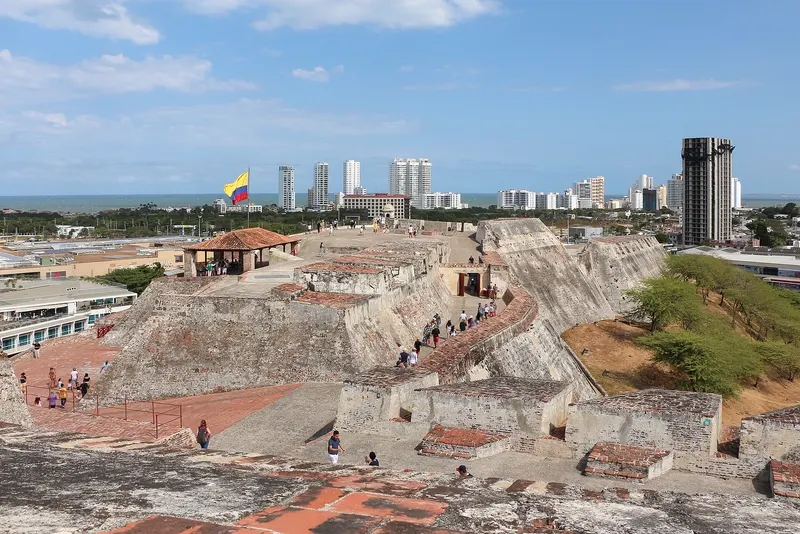
This is the largest fortress the Spanish built anywhere in their colonies. Explore its tunnels, ramps and gun batteries, and take in the view over the historic center from the top. Go early — the sun is brutal by midday — bring water, and consider a guide or audio guide to appreciate the engineering behind its defenses.
Convento de La Popa
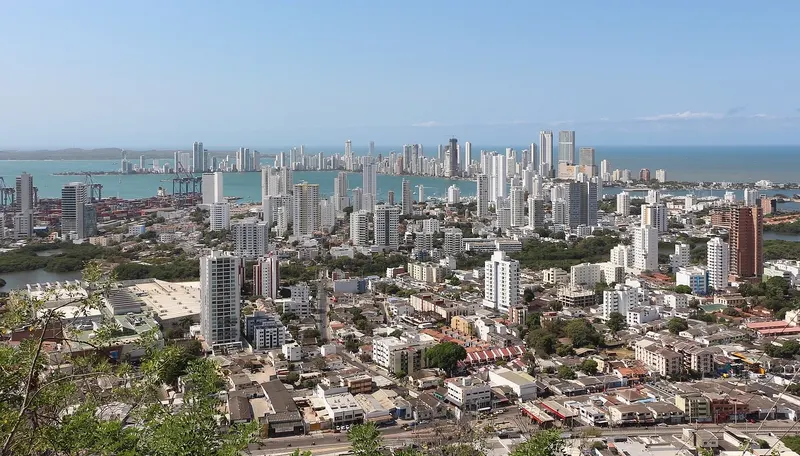
At the highest point in the city, La Popa hill, sits the Convento de Santa Cruz de La Popa, with a flower-filled courtyard and the best panoramic view of Cartagena, its bay and its neighborhoods. Go up by taxi and arrange for the driver to wait for the trip back down.
Bocagrande
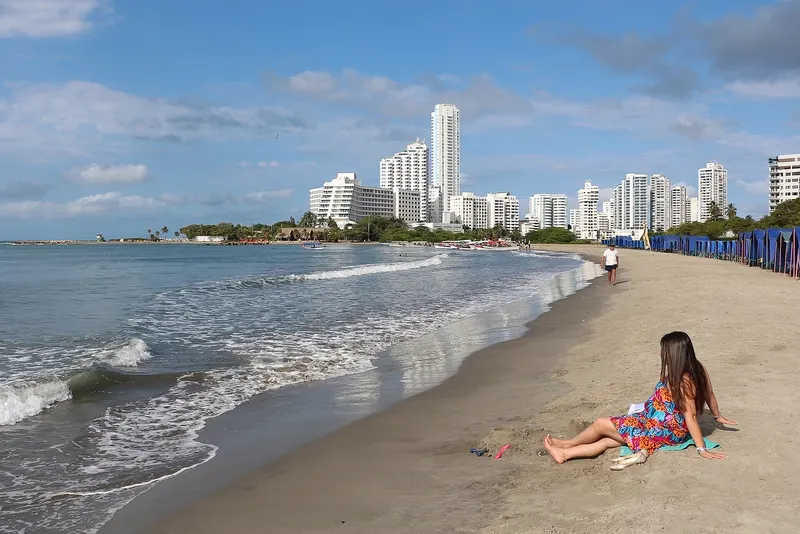
Bocagrande is modern Cartagena: a peninsula of high-rises, hotels and shopping centers with an urban beach. The water isn't as clear as on the islands, but it's convenient for a quick swim if you're staying nearby.
Day trip: the Rosario Islands and Playa Blanca
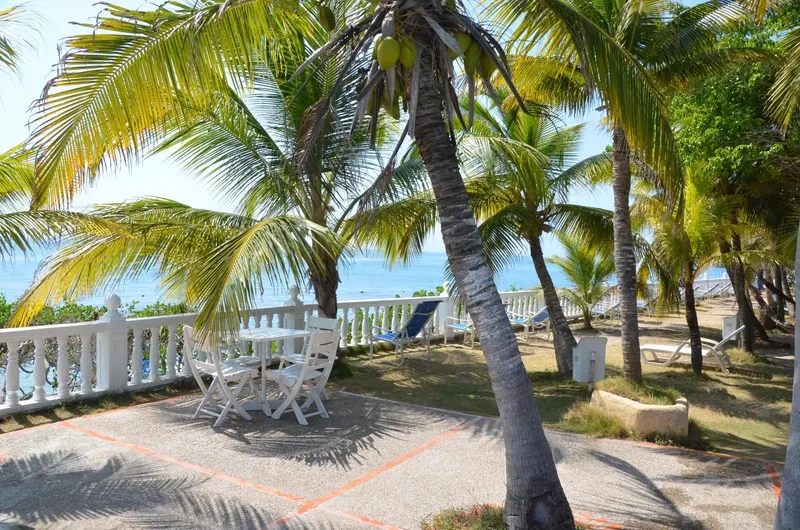
The Rosario Islands are part of the Corales del Rosario y de San Bernardo national park — turquoise water, reefs for snorkeling, and small islands dotted with hotels and beach clubs. Close by, on Barú island, is Playa Blanca, with white sand and calm water.
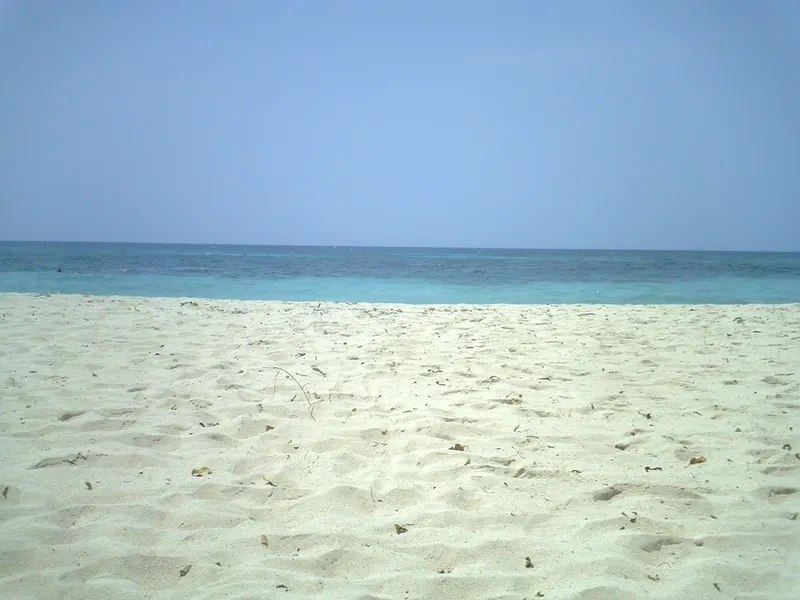
Most visitors get there by boat from the La Bodeguita dock, though it's also reachable by road via Barú. It's a straightforward add-on to a Cartagena trip if you can spare the extra day.
Eating, sleeping and getting around
What to eat
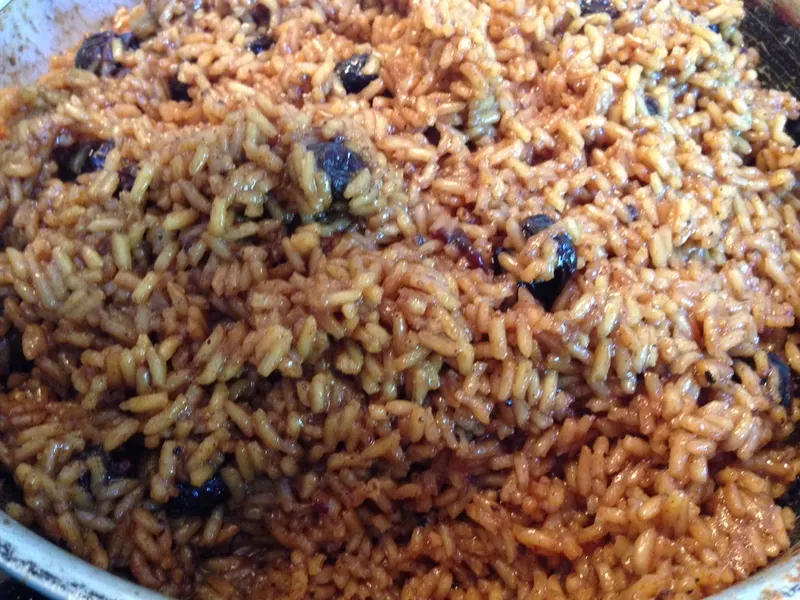
- Fried fish with coconut rice and fried plantain (patacón): the quintessential Caribbean coast lunch.
- Arepa de huevo: a fried arepa stuffed with egg, a coastal specialty.
- Posta cartagenera: beef simmered in a dark, slightly sweet sauce native to the city.
- Cocadas and sweets from the Portal de los Dulces: coconut, tamarind, guava or sesame.
- Fruit from the palenqueras: mango, papaya and pineapple sold by women from San Basilio de Palenque in their colorful dresses. If you want a photo, ask first — a small tip is customary in exchange.
- Limonada de coco: coconut lemonade, the go-to drink for the heat.
Where to stay
- The historic center: the full experience, walking the balconied streets at night. Also the most expensive option.
- Getsemaní: nightlife and atmosphere, with options for every budget.
- Bocagrande: larger hotels, an urban beach and modern high-rises.
Suggested 4-day itinerary
- Day 1: the Clock Tower, a walk through the walled city, and sunset up on the walls.
- Day 2: Castillo San Felipe early, fried fish for lunch, then afternoon and evening in Getsemaní and the Plaza de la Trinidad.
- Day 3: a full day on the Rosario Islands or Playa Blanca.
- Day 4: the Convento de La Popa and craft shopping, or a trip out to the Totumo mud volcano.
For a longer trip that pairs Cartagena with the rest of the country, see our 10-day Colombia itinerary.
If your trip runs longer than four days, it's worth weighing a domestic flight — usually connecting through Bogotá — to Cali, Colombia's salsa capital and a completely different side of the country from the Caribbean coast.
Frequently asked questions
What's the best time of year to visit Cartagena?
The driest stretch generally runs from December to April. September to November brings more rain, though showers tend to be short. It's hot year-round regardless of season.
How many days do I need in Cartagena?
Three days for the city and one more for the islands. With five days you can add the Totumo mud volcano or spend a night on an island.
Where do boats to the Rosario Islands leave from?
Most depart from the La Bodeguita tourist dock, near the Clock Tower. Book only through official agencies or docks, and confirm exactly what's included in the tour.
Is Cartagena a UNESCO World Heritage Site?
Yes. The port, fortifications and monumental complex of Cartagena were declared a UNESCO World Heritage Site in 1984.
Keep reading
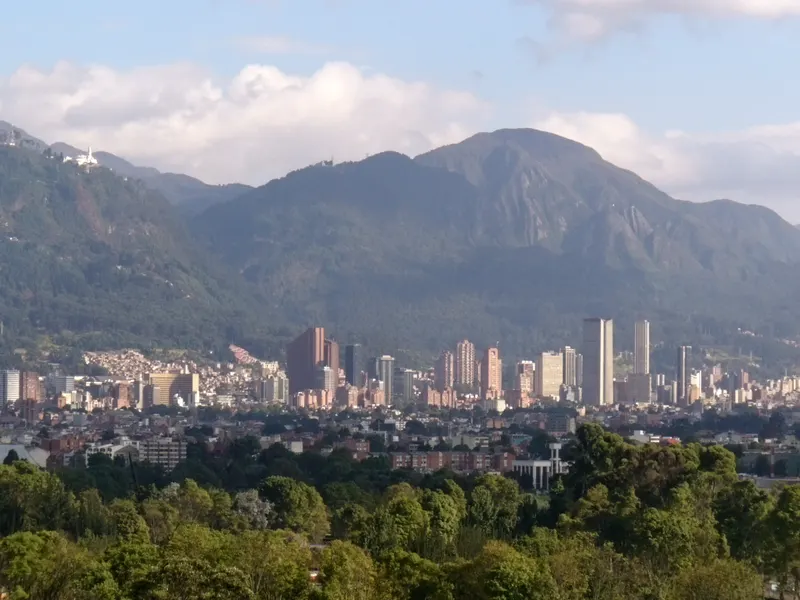 BogotáBogotá: a guide to Colombia's capitalWhat to do in Bogotá: La Candelaria, the Gold Museum, Monserrate, the Botero Museum, Usaquén, Ciclovía and the Salt Cathedral. Weather, food, tips.
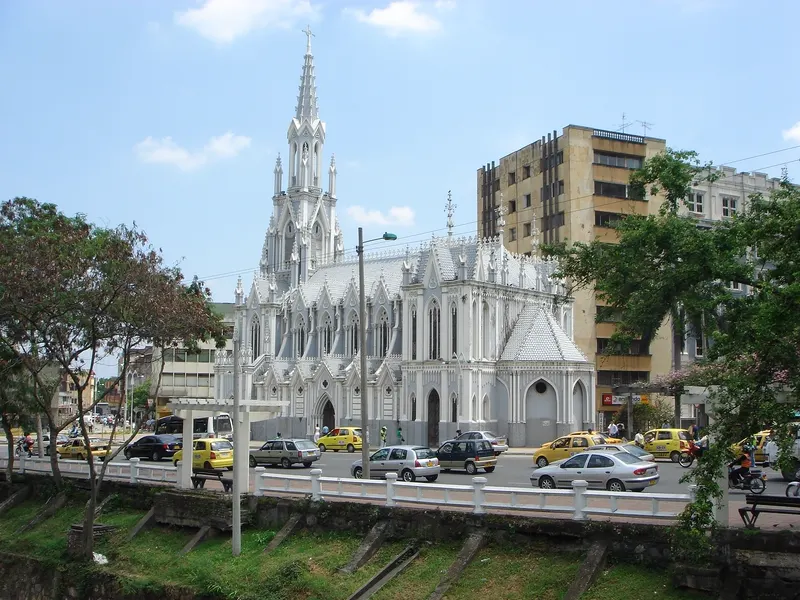 CaliCali: A Complete Guide to the World Capital of SalsaWhat to see and do in Cali: San Antonio, Cristo Rey, La Ermita, the riverside boulevard, the zoo, salsa, local food, weather and travel tips.
 GuíasColombian Food: What to Eat in Every CityColombia's regional food guide — bandeja paisa, ajiaco, arepas, cholado, coconut rice with fish, exotic fruit, and coffee, region by region.