Cali
Petronio Álvarez Festival in Cali: Music, Food and Viche Guide
Petronio Álvarez Festival in Cali, Colombia: marimba and currulao music, Pacific coast cuisine, viche liquor, dates, how to get there and tips.
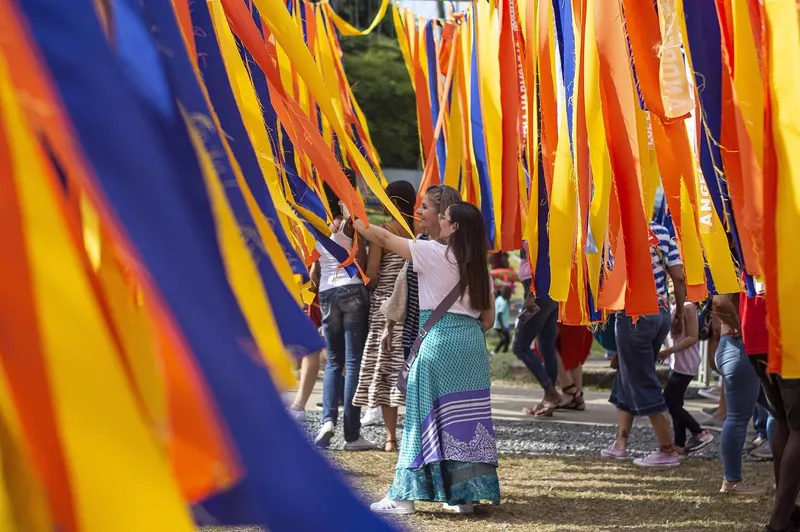
Every August, in southern Cali, chonta-wood marimbas, cununo and bombo drums fill the air, and thousands of white handkerchiefs wave to the rhythm of currulao. The Petronio Álvarez Pacific Music Festival is the largest gathering of Afro-Colombian Pacific culture in the country: a traditional music competition, a showcase of ancestral food and drink, and above all a celebration that brings together Cali families, communities from Buenaventura, Tumaco, Guapi and Quibdó, and travelers from around the world.
If you're interested in music, food, or simply understanding Colombia a little better, few experiences are this revealing. Here's what the festival is, what you'll find there, and how to plan your visit.
What the Petronio is, and who Petronio Álvarez was
The festival was founded in the mid-1990s, driven by cultural organizer Germán Patiño Ossa with support from the Valle del Cauca governor's office, to help preserve Pacific coast music traditions. Over the years it moved through the Centro Cultural de Cali, the Teatro Los Cristales, the Cañaveralejo plaza and the Unidad Deportiva Panamericana, before settling in 2016 at the Alberto Galindo Sports Complex. Today it draws hundreds of thousands of people each edition.
Its name honors Petronio Álvarez (1914–1966), born on Cascajal Island, in Buenaventura. He never studied at a conservatory and didn't make a living from music: for years he worked as a machinist on the Pacific Railroad, where he was nicknamed "El Cuco." Even so, he composed bambucos, tangos and currulaos, and at age 17 he wrote "Mi Buenaventura," considered an anthem of Colombia's Pacific coast.
The music: the competition and its categories
At the heart of the festival is the music competition. Groups from Colombia and Ecuador first go through regional qualifiers, and the best make it to Cali to compete for the Bombo Golpeador trophy. For the 2026 edition, 47 groups were selected out of around 139 entries.
The competition categories show the diversity of Pacific coast music:
- Marimba and traditional chants: chonta-wood marimba, with drums and guasás (shakers), from the southern Pacific region (Cauca, Nariño and southern Valle del Cauca). This is the music of currulao and bunde.
- Chirimía: the music of Chocó, with clarinet or flute, bass drum, snare drum and cymbals; upbeat, danceable and very much a street tradition.
- Violines caucanos: a tradition from northern Cauca, where the violin is played with Afro-Colombian rhythms.
- Free-form ensembles: groups that blend Pacific coast roots with modern sounds.
Marimba music also carries global recognition: UNESCO inscribed the marimba music and traditional chants of Colombia's southern Pacific region in 2010, and expanded that recognition in 2015 to include Ecuador's Esmeraldas province.
The white handkerchief
You'll see almost everyone carrying a white handkerchief. In traditional Pacific coast dance, it's used to flirt with a dance partner, and at the Petronio it has become a symbol of joy and connection, waved en masse whenever a group fires up the crowd. Bring your own.
What to eat: Pacific coast cuisine
One of the best reasons to go is the Muestra de Expresiones Tradicionales (Traditional Expressions Showcase), where cooks carrying on traditional recipes come from all along the Pacific coast. For 2026, organizers had announced 183 stalls covering food, drinks, crafts, Afro-Colombian beauty traditions and traditional snacks.
This cuisine is built on coconut, fish and shellfish, seasoned with hierbas de azotea — aromatic herbs grown in raised rooftop gardens in Pacific coast homes. Dishes worth trying include:
- Encocados of shrimp, crab or fish, stewed in coconut milk and served with rice and toasted plantain.
- Arroz marinero and arroz atollado with seafood, hearty and rich.
- Fish such as red snapper or catfish, stewed or fried.
- Tapao de pescado, a fish stew with green plantain cooked covered — tapao means "covered," which gives the dish its name.
- Pusandao of beef, with plantain, potato and, depending on the recipe, hen and egg; it carries influences from the colonial era.
- Ceviches and shrimp empanadas to snack on between sets.
If you want to keep exploring the region's cuisine beyond festival season, read our guide to traditional food in Cali.
Viche and other ancestral drinks
Viche is an artisanal sugarcane-juice spirit made by Afro-Colombian communities on the Pacific coast. Law 2158 of 2021 recognizes it, along with its derivatives, as an ancestral drink and collective heritage of these communities across Chocó, Cauca, Nariño and Valle del Cauca, and a 2024 decree set out regulations for it. At the Petronio, it's served directly by the producers themselves, making it a rare chance to taste it and buy it straight from the people who make it.
Several drinks are made from viche, each with its own family recipe:
- Arrechón: thick and grayish, mixed with borojó fruit, cinnamon and cloves. It's the most famous.
- Tomaseca: viche infused with herbs and spices like cinnamon and anise; every family has its own recipe, and it's a drink closely tied to Pacific coast women.
- Curao (or curado): viche macerated with vines, roots, seeds and plants.
- Pipilongo: a Chocó variant, cured with the plant that gives it its name.
- Crema de viche: a smoother, cream-style liqueur, a more recent creation.
Inside the Ciudadela, only native Pacific coast beverages made by tradition-bearers are allowed, per rules the City of Cali published in 2025. These are alcoholic drinks, and many are strong: try them in small cups, eat something first, and alternate with water. For more on the region's food and drink beyond festival season, see our guide to Colombian food.
How to attend
The program
The festival traditionally opens with the Desfile de Colonias del Pacífico (Pacific Communities Parade) down Calle 5. In 2026 it took place on August 9 with more than 1,600 participants from 23 communities, and the day before featured Petronito, a showcase for young musicians from Pacific coast music schools. The earthquake the next day forced the rest of the program to be suspended. In a normal edition, the Ciudadela also hosts educational spaces, a kids' area, panel discussions and the Caserío Pacífico, plus events at venues like the Teatro Los Cristales, the Plaza de Cayzedo and the Bulevar del Río.
Getting to the Ciudadela
The Alberto Galindo Sports Complex sits in southern Cali, between Calles 2 and 3 and Carreras 52 and 55. The most practical way to get there is the MIO bus rapid transit system: the Unidad Deportiva station, on Calle 5, is about two blocks from the entrance. There's no parking at the Ciudadela, so it's best to avoid driving. To head back late at night, book a taxi through an app.
Traveling with kids
In 2025, the City of Cali indicated that concerts admitted children from age seven, always accompanied by an adult. There's a kids' area, but nighttime hours draw large crowds: midday and afternoon are better for a family visit.
Practical tips
- Arrive early if you want a good spot in front of the stage; weekend nights get crowded.
- Wear light clothing and comfortable shoes: you'll be standing and dancing. Cali is warm, between 19 and 31°C (66–88°F), and the midday sun is strong.
- Bring cash in small bills for food and drink stalls, and keep your phone secure. More tips in our safety guide.
- Respect the tradition-bearers: ask before taking close-up photos of vendors, and don't haggle over food prices.
- Stay hydrated and eat well if you plan to try viche.
Where to stay and how to combine the trip
The city gets busy during the festival, so book ahead. Any area well connected to Calle 5 works, since you can reach the venue by MIO or taxi. Plan the rest of your visit with our guide to Cali and our list of must-see places.
August is a great month to travel around Colombia: you can combine the Petronio with Medellín's Feria de las Flores, which usually falls in late July or early August. And if the music grabs you, stay one more night to dance in the salsa capital of the world.
Frequently asked questions
When is the Petronio Álvarez Festival?
Normally in August. The 30th edition opened on August 9, 2026, and was suspended the next day because of the earthquake; the City of Cali announced it will be held in the second half of 2026, with date and venue still to be confirmed. Check the official City of Cali channels for updates.
How much does it cost to enter the Petronio Álvarez?
In recent editions, entry to the Ciudadela Petronio has been free. You only pay for the food, drinks and crafts you buy.
What is viche?
It's an artisanal sugarcane spirit produced by Afro-Colombian communities on Colombia's Pacific coast. Law 2158 of 2021 recognizes it as an ancestral drink and collective heritage of those communities. It's the base for drinks like arrechón, tomaseca and curao.
What kind of music can you hear at the Petronio?
Traditional Pacific coast music: marimba and traditional chants (currulao, bunde), Chocó-style chirimía, violines caucanos, and free-form ensembles that blend those roots with contemporary sounds.
Can children attend the Petronio Álvarez?
Yes. In 2025 the City of Cali indicated that concerts admitted children from age seven, accompanied by an adult. Afternoon is the best time to visit as a family.
Keep reading
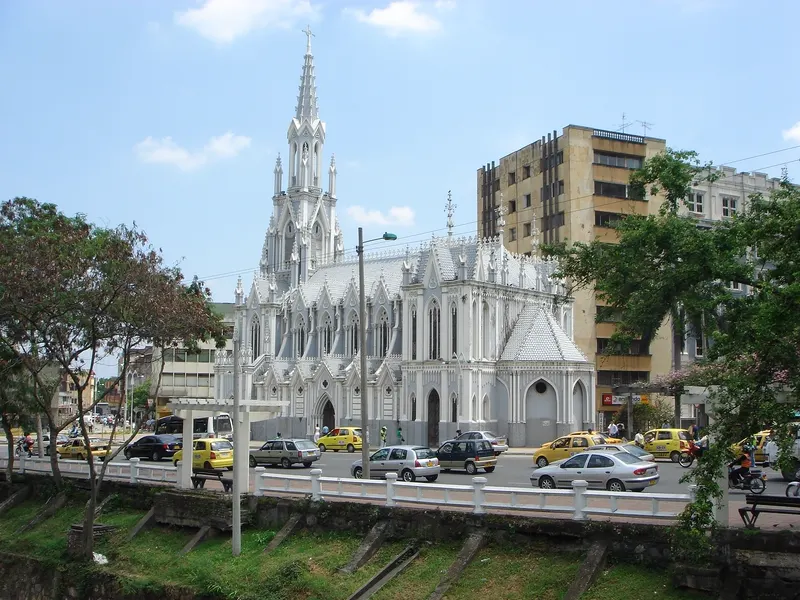 CaliCali: A Complete Guide to the World Capital of SalsaWhat to see and do in Cali: San Antonio, Cristo Rey, La Ermita, the riverside boulevard, the zoo, salsa, local food, weather and travel tips.
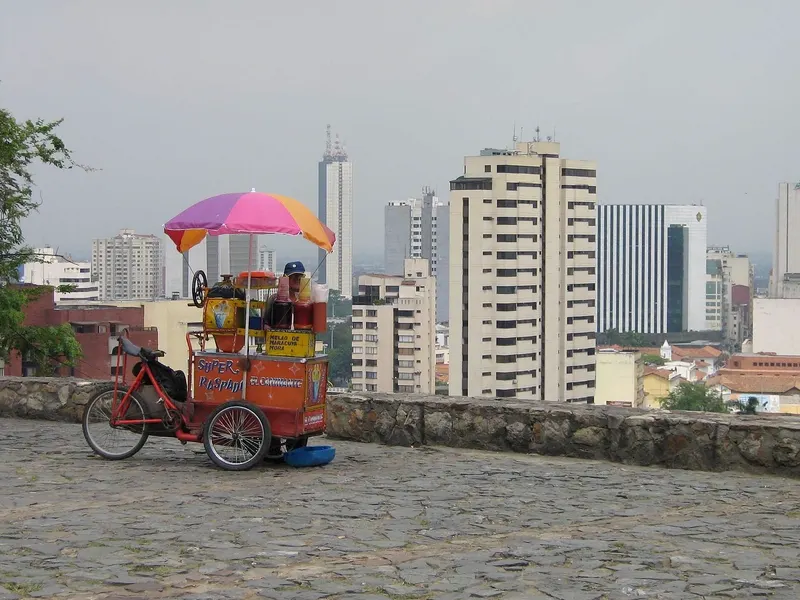 CaliTraditional Food in Cali: A Guide to What to EatChicken sancocho, tamal valluno, arroz atollado, marranitas, pandebono, champús, lulada and cholado: what each Cali dish is and where to try it.
 CaliFeria de Cali 2026: A Guide to Colombia's Year-End Salsa FestivalThe Feria de Cali, December 25-30: the Salsódromo, other parades, the Superconcierto, buying tickets safely, where to stay and how to get around.