Guías
20 Unmissable Places in Medellín, Cali, Bogotá and Cartagena
The 20 best places to see in Medellín, Cali, Bogotá and Cartagena — what makes each spot worth it, and how to fit them all into a real trip.
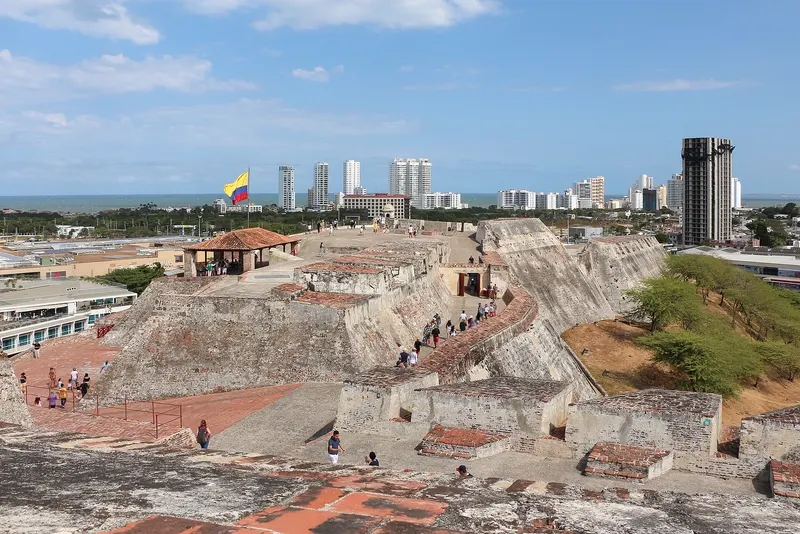
Colombia is a big, varied country, but its four major tourist cities pack in a huge share of the highlights: the cool Andean capital, the city of eternal spring, the salsa capital, and the jewel of the Caribbean. Here are our picks — 20 places, five per city — for a first trip you won't forget, with the practical details that actually make the difference on the ground.
Medellín
Mild year-round, with the best public transport in the country — almost everything connects through the Metro.
1. Comuna 13
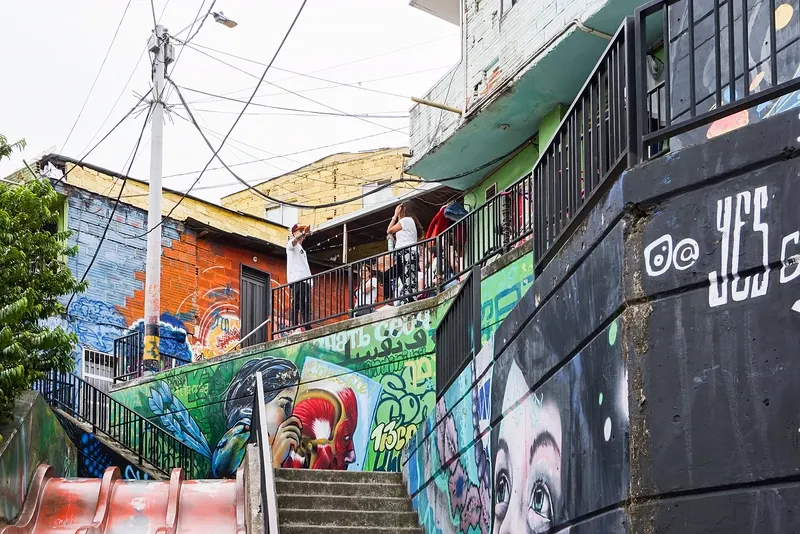
Outdoor escalators, murals, and a story of transformation told by the people who live it. Take the Metro to San Javier station and walk the neighborhood with a local guide. Budget about three hours, and go in the morning before the crowds arrive.
2. Metrocable
Cable cars used as everyday public transport since 2004. Line K climbs from Acevedo station to Santo Domingo Savio, where it connects to Line L, the cable car into Parque Arví. For the price of a transit fare you get an aerial view of the whole city — avoid rush hour.
3. Plaza Botero
Twenty-three bronze sculptures that Fernando Botero donated to his hometown, right in front of the Museum of Antioquia, which holds even more of his work. The surrounding downtown is lively and crowded: visit by day, travel light, and keep your phone out of sight.
4. Parque Arví
Forests, trails, and a farmers' market in the mountains east of the city, with traces of pre-Hispanic roads. The Arví cable car doesn't run on Tuesdays for maintenance. It's noticeably colder up here than down in the valley, so bring a jacket and pair it with the Metrocable ride in the same morning.
5. Guatapé and La Piedra del Peñol
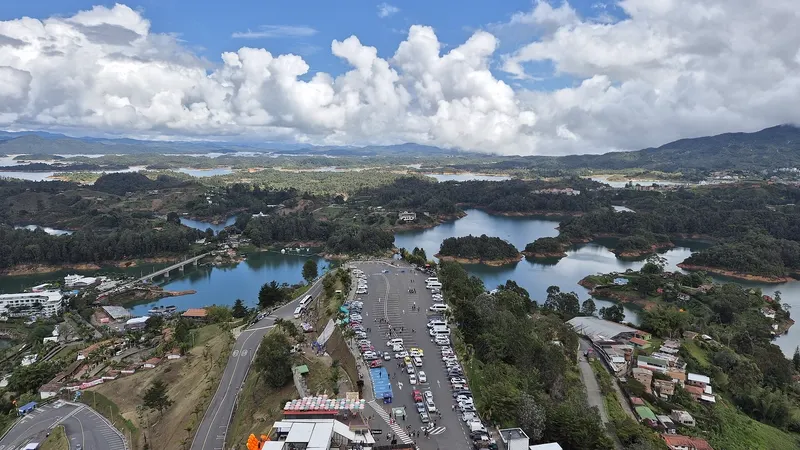
A granite monolith roughly 220 meters tall, climbed via 740 numbered steps, with one of the country's most famous views over the reservoir's islands. Right next door is Guatapé, the town of the painted zócalos. It's about two hours from Medellín and easily fills a full day.
Cali
Heat, an afternoon breeze, and salsa on every corner. Cali was one of the cities hit hardest by the August 10, 2026 earthquake, centered in Chocó. Its airport was back to normal the very next day, and the city is welcoming travelers again, though a few sites reopened section by section. More in our Cali guide.
6. San Antonio neighborhood
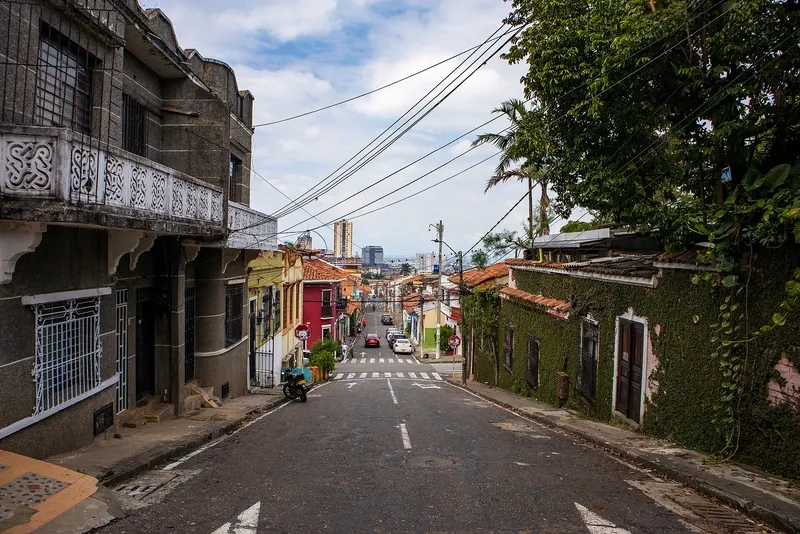
Cali's colonial hillside barrio: tiled roofs, steep streets, cafés, hostels, and artist workshops. At the top, the chapel and park of San Antonio are the favorite sunset spot in the city, with street storytellers, musicians, and cholado carts. Stay for dinner in the neighborhood — for what to order, see Cali's local food.
7. Cristo Rey
A 26-meter statue, unveiled in 1953 on Cerro Los Cristales at roughly 1,440 meters above sea level, with a view over the whole valley. The eco-park was damaged in the earthquake and reopened partially on August 22, 2026, with the monument area open and part of the trail still closed. Check which sections are open before heading up.
8. La Ermita and the Bulevar del Río
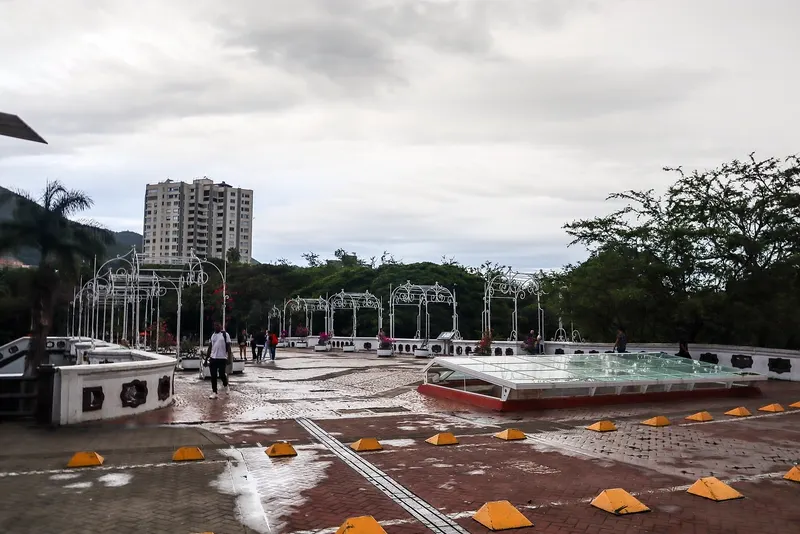
The neo-Gothic La Ermita church is Cali's postcard image, right next to the Bulevar del Río, the pedestrian walkway linking Plaza de Caicedo, the Cathedral, and the Municipal Theater. The church reopened to visitors after the earthquake, though it lost the cross that once topped it. Go at sunset, once the heat breaks.
9. A night of salsa
A class, a show, or just the dance floor — this is the quintessential Cali experience. If you're traveling at year's end, the Feria de Cali, held December 25–30, is the high point; the city government has confirmed the 2026 edition will go ahead. Full details in our salsa in Cali guide.
10. Río Pance
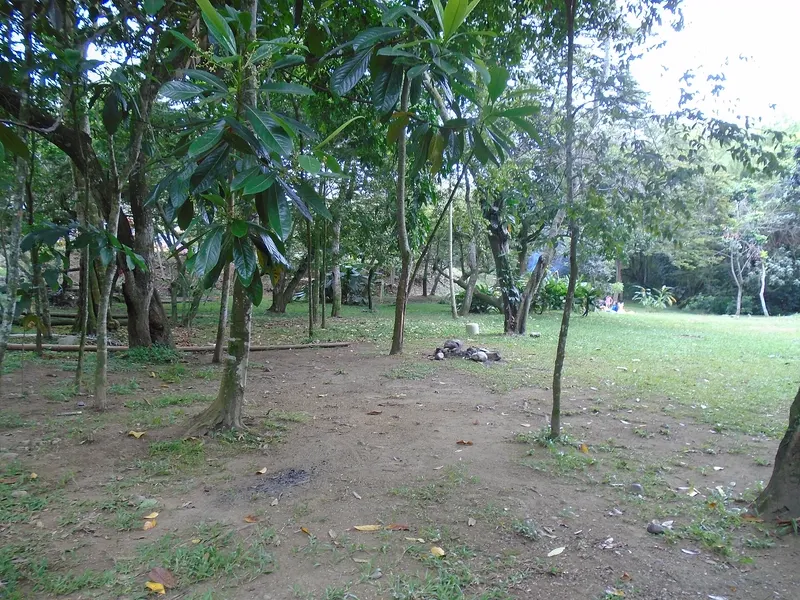
Cold, clear water flowing down from the Farallones de Cali. On weekends, local families come out to swim and cook sancocho by the river. Swim only where you see other bathers, and get out of the water if it starts raining hard upstream.
Bogotá
At 2,640 meters, cool year-round, with the country's biggest cultural scene. Take it easy on day one — the altitude is real. More in our Bogotá guide.
11. La Candelaria
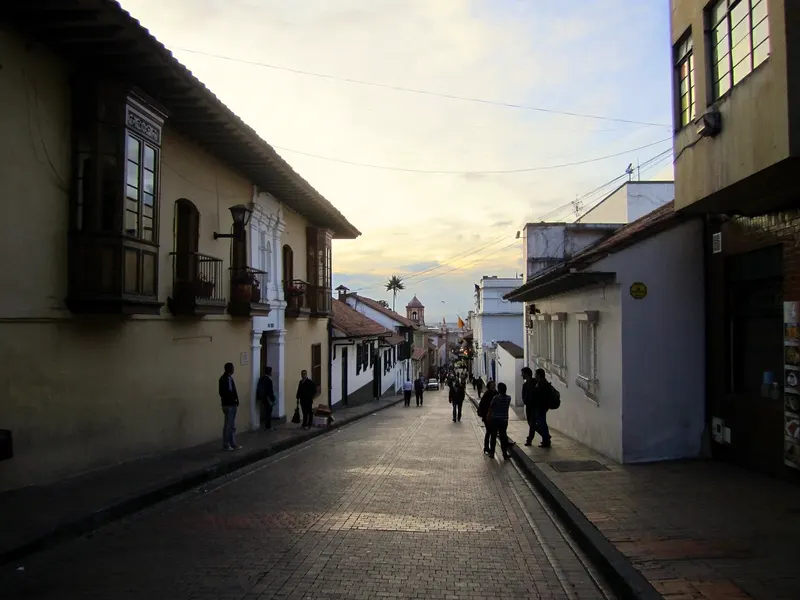
The historic center, where the city was founded in 1538: colonial houses, cobblestone streets, universities, museums, and street art. Walk it by day, ideally on a tour that explains the history behind the murals, and finish at Chorro de Quevedo. It empties out at night — head back in an app-hailed taxi.
12. Gold Museum
One of the most important collections of pre-Hispanic goldwork in the world, run by the Banco de la República. Closed Mondays, even on holidays, and free on Sundays. Plan on about two hours. The Botero Museum, with the master's own paintings and his international art collection, is a few blocks away.
13. Monserrate
The 3,152-meter hill topped by a sanctuary and the best view in the city, reached by cable car or funicular. The walking trail — about 1,600 steps — only opens in the morning and is closed on Tuesdays. Skip walking up on your first day because of the altitude, and bring a jacket; it's cold at the top.
14. Zipaquirá Salt Cathedral
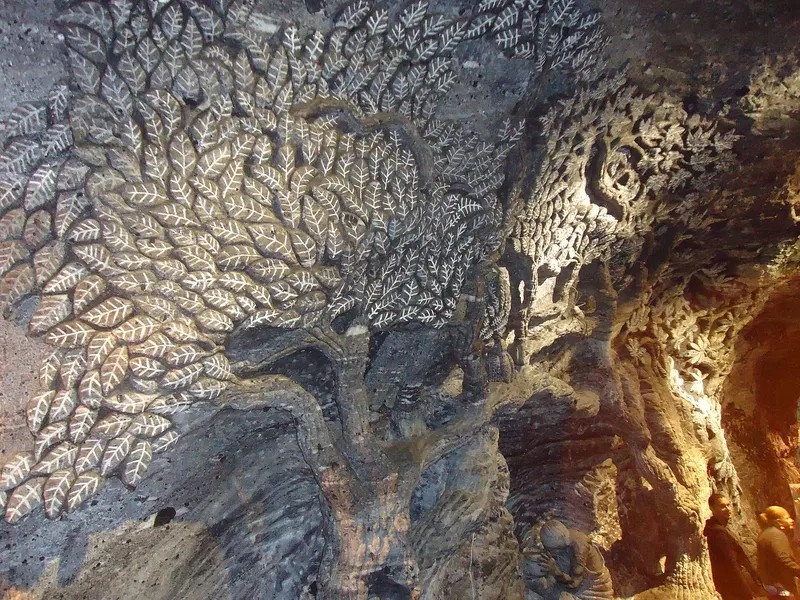
A church carved inside a salt mine roughly 180 meters underground, about 40 kilometers from Bogotá. On Saturdays, Sundays, and holidays you can get there on the Sabana Tourist Train, which departs from Bogotá's Gran Estación; on weekdays, take a bus from Portal Norte instead. By bus it's a long half-day; by train, closer to a full day.
15. Sunday Ciclovía
Every Sunday and holiday, from 7 a.m. to 2 p.m., Bogotá closes about 140 kilometers of streets to cars for walking, jogging, and cycling. It's free, and it's about as Bogotá as it gets. Pair it with the Usaquén flea market, also on Sundays.
Cartagena
Humid heat all year, stone walls, and the Caribbean Sea. Walk in the early morning and after 4 p.m.; save the midday hours for a museum, a long lunch, or the pool. More in our Cartagena guide.
16. The Walled City
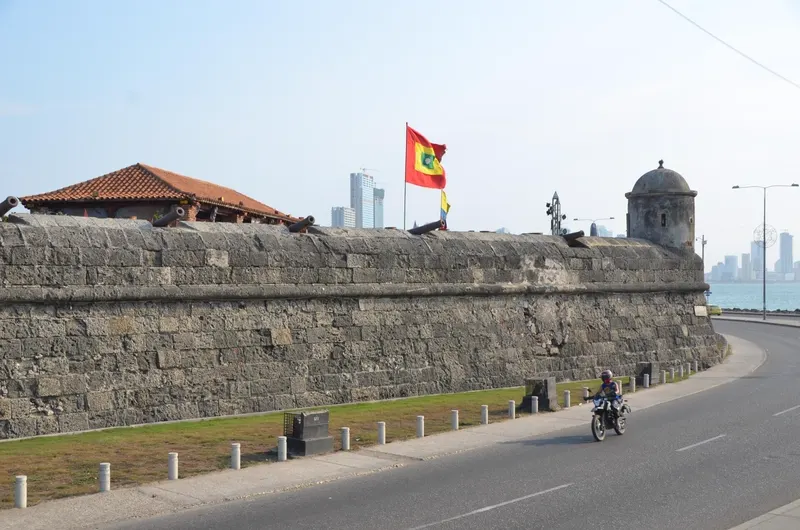
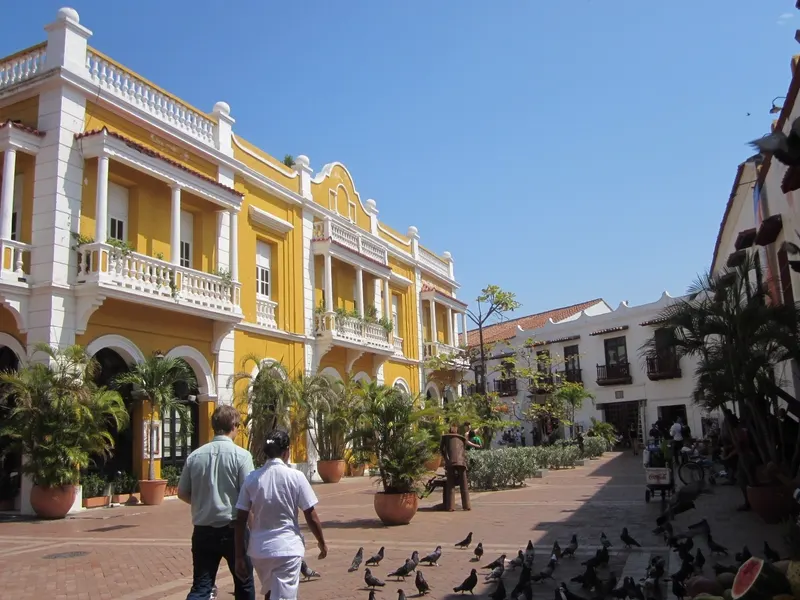
Colonial streets with flower-draped balconies, plazas, and churches; the port, the fortresses, and the monumental complex have been a UNESCO World Heritage Site since 1984. Come in through the Clock Tower, pass the Portal de los Dulces, and let yourself drift toward Plaza Santo Domingo and San Pedro Claver. Give it half a day, unhurried.
17. Getsemaní
The old artisans' quarter, just outside the main wall, is now Cartagena's liveliest neighborhood: murals, hanging flags, music, and Plaza de la Trinidad packed with people at night.
18. San Felipe de Barajas Castle
The largest fortress the Spanish built in the Americas, begun in 1657 on Cerro de San Lázaro to defend the city by land. You explore it through tunnels, ramps, and gun batteries. Go early, before the sun gets fierce, and bring water.
19. Rosario Islands
Reefs and turquoise water inside Corales del Rosario y San Bernardo National Park, one to two hours by boat from the La Bodeguita dock depending on the island. Since March 1, 2026, the park has required mandatory insurance for every visitor. Book through an established agency and confirm exactly what's included.
20. Sunset on the walls
The simplest plan in Cartagena, and the most local one: watching the sun drop into the sea from the city walls. It doesn't cost a thing.
If you have more time: five side trips
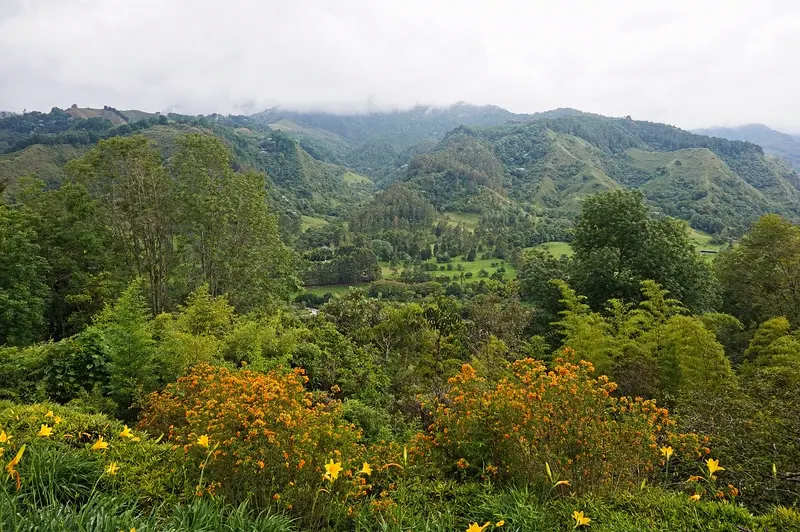
- The Coffee Region: Salento, the Cocora Valley, and coffee farms. It also felt the earthquake; by mid-September 2026, Salento, Cocora, and Filandia were all open again.
- Villa de Leyva: the colonial town Bogotá locals love best, about three and a half hours away by bus.
- Santa Marta and Tayrona: beaches wedged between jungle and rock. The park closes three times a year; the last 2026 closure runs October 19 to November 2.
- Barranquilla Carnival: in 2027, it runs February 6–9.
- Mompox during Holy Week: a UNESCO World Heritage historic center since 1995, with famous processions.
Putting it all together
With ten days you can cover all four cities without rushing. With just one week, pick two cities instead and use the flights you save to sleep in. Before you lock in dates, check the best time to visit — it can shift which two cities make the most sense.
Frequently asked questions
How many days do I need to see these 20 places?
About ten days, splitting two or three per city plus the flights between them. With just a week, it's better to focus on two cities.
Which of these places close on certain days?
Bogotá's Gold Museum is closed on Mondays, including holidays. Medellín's Arví cable car and Monserrate's walking trail don't operate on Tuesdays for maintenance.
Which of these places are free?
Plaza Botero, Medellín's Botanical Garden, the Botero Museum, the Sunday Ciclovía, sunset on Cartagena's walls, and the Gold Museum on Sundays, among others.
Can you still visit Cali after the August 2026 earthquake?
Yes. The airport is operating normally and the city is welcoming travelers, but a few sites, like the Cristo Rey eco-park, reopened in stages. Check the status of each place before you go.
Keep reading
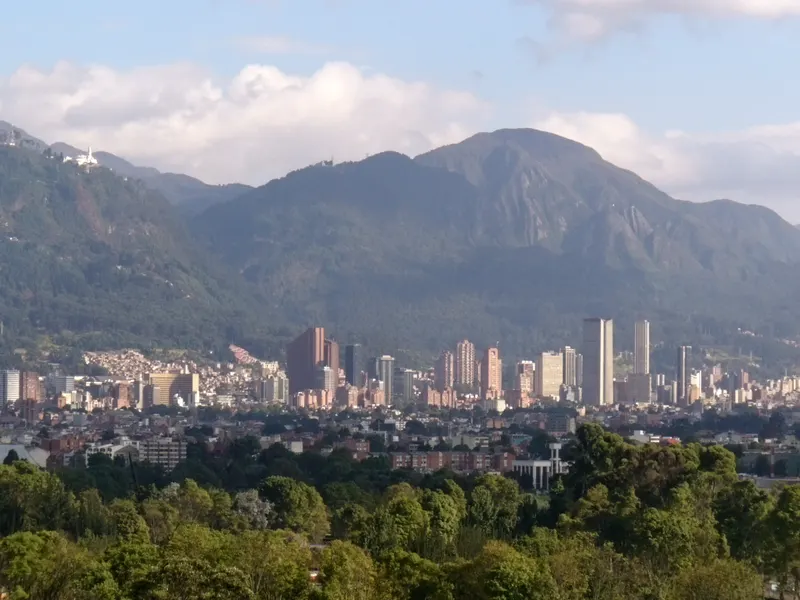 BogotáBogotá: a guide to Colombia's capitalWhat to do in Bogotá: La Candelaria, the Gold Museum, Monserrate, the Botero Museum, Usaquén, Ciclovía and the Salt Cathedral. Weather, food, tips.
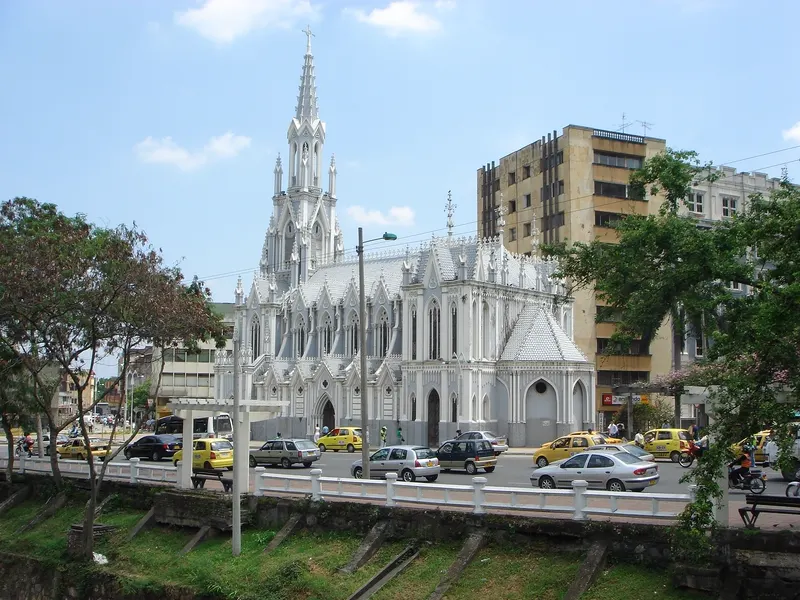 CaliCali: A Complete Guide to the World Capital of SalsaWhat to see and do in Cali: San Antonio, Cristo Rey, La Ermita, the riverside boulevard, the zoo, salsa, local food, weather and travel tips.
 CartagenaCartagena: a guide to the walled city and its islandsWhat to do in Cartagena: the walled city, Getsemaní, Castillo San Felipe, La Popa, the Rosario Islands, Playa Blanca, food, weather and trip tips.